Monday, January 7, 2019

Carpe Diem #1579 bonfire (takibi)


Dear Haijin, visitors and travelers,

We are exploring the modern and classical kigo (seasonwords) for winter. Yesterday we had a nice modern kigo from Jane Reichhold's "A Dictionary of Haiku", the online version. Today I have a nice classical kigo for you to work with. Today our kigo is "bonfire (takibi)". In this time of year, the Holidays, I think there are several bonfires all around the world in this time of year. So no need to explain this kigo ...

To inspire you I have a wonderful "bonfire" video for you. In this video you can see a bonfire, but also hear a sweet children's song from Japan.


I hope you enjoyed this music video and that it has awakened your muse.

I found a nice haiku themed "bonfire" by Mamta Agarwal:

sit around bonfire, 
sparks rise and fly like glow worms; 
charred logs fall with thud. 

© Mamta Agarwal

And here a haiku written by myself:

bonfire
the scent of pine trees overwhelms the senses -
back to school again

© Chèvrefeuille

Bonfire (takibi)
To conclude this episode I have another nice "bonfire" haiku by Kobayashi Issa, one of the five greatest haiku poets:

foot of the mountain--
without a cheer
my New Year's bonfire

© Kobayashi Issa

Well ... I hope I have awakened your muses.

This episode is NOW OPEN for your submissions and will remain open until January 14th at noon (CET). I will try to publish our new episode later on.


Sunday, January 6, 2019

Carpe Diem #1578 Amaryllis (modern kigo)


Dear Haijin, visitors and travelers,

I hope you all have had a wonderful weekend full of inspiration and joy. I had a nice relaxed weekend and I enjoyed it a lot. Tomorrow (January 7th) I will start in a new position as a senior oncology nurse, a kind of manager, at a nursing home in my hometown. As I told you earlier I started in the VU Medical Center in Amsterdam, but travelling to the VU Medical Center took to much of my energy, so my health became worse. So I had to decide to resign from the job in VU Medical Center. I am glad that I have found another wonderful job ... I am excited to start there.

This month we will explore the seasonwords (kigo) for winter. A kigo is a word that indicates the season in which the haiku scene was seen. This month I will try to inspire you through modern and classical kigo for winter. Today I have chosen a nice modern kigo (taken from Jane Reichhold's "A  Dictionary of Haiku") ... Amaryllis.

Amaryllis
The Amaryllis is typical for this time of the year, Christmas and New Year. We see them often here in The Netherlands, but I think you all know this beautiful flower.

Here are a few haiku themed "Amaryllis" created by Jane Reichhold:

swollen
the amaryllis bud
already red

low-slanted sun
in the red amaryllis
turning on lights

© Jane Reichhold (taken from the online version of "A Dictionary of Haiku")

I found a nice "story" about the Amaryllis. I love to share that "story" here too, just for fun or to help your inspiration.

[...] "Legend has it that the amaryllis - the stunning red flower we've come to associate with the holidays - began as a shy, timid nymph. Amaryllis fell deeply in love with Alteo, a shepherd with Hercules' strength and Apollo's beauty, but her affections were unrequited. Hoping that she could win him over by bestowing upon him the thing he desired most - a flower so unique it had never existed in the world before - Amaryllis sought advice from the oracle of Delphi.

Following his instructions, Amaryllis dressed in maiden's white and appeared at Alteo's door for 30 nights, each time piercing her heart with a golden arrow. When at last Alteo opened his door, there before him was a striking crimson flower, sprung from the blood of Amaryllis's heart. With this romantic - albeit tragic - tale as its beginning, it's not surprising that today the amaryllis has come to symbolize pride, determination and radiant beauty." [...] (Source: Teleflora)

This episode is NOW OPEN for your submissions and will remain open until January 13th at noon (CET). I will try to publish our new episode later on. For now ... have fun!


Friday, January 4, 2019

Carpe Diem Weekend Meditation #66 On the road again ... Tacna (Peru)


!! Open for your submissions next Sunday January 6th at 7:00 PM (CET) !!

Dear Haijin, visitors and travelers,

As I promised you all the weekend meditations of January will be a "follow-up" of our Pan American Highway adventure last December 2018. This is the first weekend meditation of January and I have a nice challenge for you I think.

We have arrived at Tacna Peru, close to the Chile border, and as you maybe know Peru was once part of Spain and the main religion was Catholic church. For this weekend meditation I have a wonderful image for you of the "Catedral de Tacna" to inspire you. Next to that image I love to challenge you to create a haibun with a maximum of 250 words (including the poetry) in which you try to describe your "inner journey".

Here is the image to inspire you:

Catedral de Tacna
in the old cathedral
the scent of incense
I hear the prayers

deep silence
only whispered prayers -
the scent of incense

© Chèvrefeuille

This weekend meditation is open for your submissions next Sunday January 6th at 7:00 PM (CET) and will remain open until January 13th at noon (CET). Have a wonderful weekend.

Thursday, January 3, 2019

Carpe Diem #1577 snowflakes (kazahana)


Dear Haijin, visitors and travelers,

This month we are exploring the kigo (seasonwords) of winter. Kigo are part of haiku since the birth of haiku, back into the 17th century. In that century several of the renown haiku poets lived their life. For example the greatest of them all Matsuo Basho, but there were several other haiku poets that created their haiku in that century.
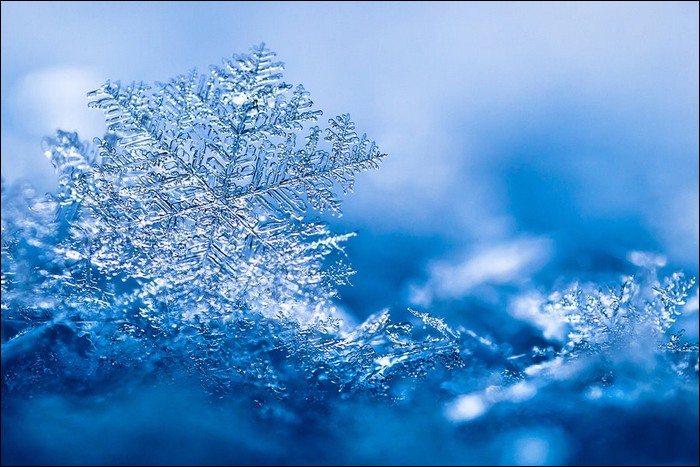
One of the basic rules of a classical haiku is the use of kigo. A kigo is a word that points towards the season in which the haiku scene was created. This month that classical rule we are exploring through modern and classical kigo and today I have a nice classical kigo, snowflakes (kazahana). Snowflakes we know all. Those wonderful creations, so fragile and in very different kinds. The Japanese translation "kazahana" means literaly "wind flowers" and I think that's the right translation for snowflakes, because as we look at snowflakes they look like flowers.

Snowflake (kazahana)
Look at the fragile structure and beauty of the above snowflake ... gorgeous isn't it? Nature is full of this beauty, but when did we (humans) stop appreciating the beauty of nature? I don't know, because I love nature in all its wonders. As a haiku poet I am admiring nature ... it's so beautiful and we have to cherish it.

I found two beautiful haiku by Kobayashi Issa:

little straw mat--
the cat comes with a coat
of snowflakes

snowflakes flitting down--
a winter solstice
celebration

© Kobayashi Issa

Fragile beauty (kazahana - snowflakes)
And here are a few haiku from my archive:

snowflakes
cover the red roses
on a new grave

falling gently
snowflakes
fragile beauty

© Chèvrefeuille

Look at that beauty ... isn't it a wonderful piece of nature? Snowflakes ... are awesome!

After doing some extra research I found another nice haiku about snowflakes by my sensei Basho:

polished again
the mirror is as clear as
flower-like snowflakes

© Basho (Tr. Jane Reichhold)

There is a small anecdote on this one. I remember that I once wrote a haiku in the same way, with almost the same words before I ever had heard of Basho or had read all his work. At that moment I was just a starting haiku poet and I was ofcourse proud on this one, but than ... it turned out to be a haiku by Basho. Here is that haiku I once wrote:

polished again
on the clear mirror
flowers of snow

© Chèvrefeuille

Isn't that strange? 

This episode is NOW OPEN for your submissions and will remain open until January 10th at noon (CET). I will try to publish our first weekend meditation later on.


Wednesday, January 2, 2019

Carpe Diem #1576 Dawn


Dear Haijin, visitors and travelers,

Welcome at a new episode of our wonderful Kai. This month we are going "classic" or in other words we are exploring classical and modern kigo (seasonwords). Today I have a wonderful modern kigo, again extracted from Jane Reichhold's "A Dictionary of Haiku", for you. Today that modern kigo for winter is "dawn" and to give you an idea of this modern kigo I have a few example haiku by Jane herself:

winter dawn
sounds of blowing snow
sleeping birds

sea dawn
the journey of snowflakes
to a parking lot

clouds resting
on top of snowdrifts
winter dawn

© Jane Reichhold (extracted from "A Dictionary of Haiku", the online version)

winter dawn
at dawn
fresh white blanket
ah! that silence


© Chèvrefeuille

I love the silence of a winter dawn as fresh fallen snow covers the fields.

This episode is NOW OPEN for your submissions and will remain open until January 9th at noon (CET). I will try to publish our new episode later on. For now .... have fun!


Tuesday, January 1, 2019

Carpe Diem #1575 Fuyukasumi (Winter Mist)


Dear Haijin, visitors and travelers,

I hope you all have had a wonderful New Year's Eve and an awesome start of 2019. I had for sure a wonderful New Year's Eve ...
This month we are finding our inspiration through the kigo (seasonwords) of winter. Yesterday I started with a modern kigo extracted from Jane Reichhold's "A Dictionary of Haiku" and today I have a nice classical kigo for you: Fuyukasumi (or Winter Mist)

I found a nice example of a haiku themed "winter mist" by Chenou Liu:

winter mist
another bowl
of veggie soup

© Chenou Liu

Fuyukasumi (Winter Mist)
 Well ... we are on our way into a new year full of inspiration.

This episode is NOW OPEN for your submissions and will remain open until January 8th at noon (CET). I will try to publish our new episode later on.


Monday, December 31, 2018

Carpe Diem #1574 New Year's Eve


Dear Haijin, visitors and travelers,

Welcome at the first episode of our wonderful Haiku Kai of 2019. This month we will explore the classical and modern kigo for winter. So first HAPPY NEW YEAR!! I hope 2019 will be a wonderful year full of inspiration and joy.

To start this month with I have chosen for a modern kigo taken from Jane Reichhold's "A Dictionary of Haiku". New Year's Eve ... well needs no explanation I think (smiles).

alone
at the end of the road
a New Year's party

New Year's Eve
the angel atop the pine
a full moon

New Year's Eve
on the country porch the sound
of a full moon

© Jane Reichhold (taken from "A Dictionary of Haiku")


(credits logo)

Here is my response:

Ah! that silence
after New Year's Eve ...
the wind of last year
plays with bare branches
nothing has changed

© Chèvrefeuille

This episode is NOW OPEN for your submissions and will remain open until January 7th at noon (CET). Have an awesome New Year's Eve !!