Showing posts with label kigo for winter. Show all posts

Wednesday, February 2, 2022

Carpe Diem Haiku Kai #1358 Clouds


Dear Haijin, visitors and travelers,

Welcome at a new episode of our wonderful Haiku Kai. I will try to post more regular, but it is not always possible to create a new post. We have still cases of Covid (mostly Omicron) at the health facility were I am working, Today we have two, maybe three, new cases, so we have to test a very big group next day. 

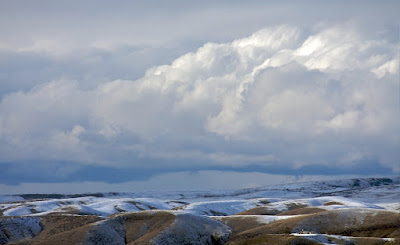
Today I have chosen to give you a haiku written by Jane Reichhold (1937-2016) to inspire you. As you (maybe) know Jane has compiled a nice dictionary of haiku-kigo for our times. The "modern" kigo for today is "Clouds" and it is taken from the Winter kigo, sub-category Celestial.

The goal for today is to create a Tan Renga inspired on the given haiku by Jane. That means, you have to use the haiku by Jane and you have to create the "second" stanza of two lines with approx. 7 syllables.

Jane Reichhold (1937-2016)

Jane, once, was a co-owner of our Haiku Kai and she taught us a lot about haiku (and other Japanese poetry forms). She is still missed and her spirit is still here at Carpe Diem Haiku Kai.

Here is the haiku to work with:

roaring down the beach
at the height of winter waves
mist clouds

© Jane Reichhold (source: A Dictionary Of Haiku, online version)

A wonderful haiku to work with I think.

You can submit your Tan Renga inspired on this haiku through the linking widget hidden in our logo below. This submission can be done until February 7th 10:00 PM (CET). Enjoy this excercise.

Thursday, November 21, 2019

Carpe Diem #1785 Hoarfrost (kigo for winter)


Dear Haijin, visitors and travelers,

I know you all like to create haiku with a given kigo (seasonword) as we have seen here often at CDHK. So today, in our month with "Never Change A Winning Team", I have a nice kigo for you to work with. Today I love to challenge you with the following kigo: Hoarfrost.

What is "hoarfrost"? Hoarfrost is a grayish-white crystalline deposit of frozen water vapor formed in clear still weather on vegetation, fences, etc.. Here in The Netherlands we have seen that already this month. Just recently we had still weather and it was a bit misty ... and it was cold ... so the world looked awesome as described in the definition of "hoarfrost" above.


Hoarfrost

Today your task is to create a classical haiku, following the classical rules as you can read in our Carpe Diem Lecture 1 above in the menu.

Here is one about "hoarfrost" chosen from my archives, it's not a classical haiku, but ... well I hope you will forgive me for that.

fragile beauty
cranberries covered with sugar
first hoarfrost

© Chèvrefeuille

This episode is NOW OPEN for your submissions and will remain open until November 28th at noon (CET). I will try to publish our new weekend meditation later on. For now ... be inspired!


Wednesday, January 16, 2019

Carpe Diem #1586 withered leaves


Dear Haijin, visitors and travelers,

"Withered leaves" is our modern kigo for today's episode. It's taken from Jane Reichhold's "A Dictionary of Haiku" section: winter, subsection: plants. A wonderful modern kigo to work with I think so no further explanation needed.

Withered Leaves
And to awaken your muses ... here are a few haiku extracted from Jane's Saijiki as examples for this modern kigo:

up to a branch
wind took a winter leaf
let it fall again

snow
cooling the colors
withered leaves

frost spikes
the growing cold
of withered leaves

© Jane Reichhold

This episode is NOW OPEN for your submissions and will remain open until January 23rd at noon (CET). I will try to publish our next episode later on.


Tuesday, January 15, 2019

Carpe Diem #1584 Winter Renga With Jane Reichhold -- spots of blue


Dear Haijin, visitors and travelers,

Welcome at a new episode of our wonderful Kai. Sorry for being this late, but I hadn't time to publish it on time. This month we are exploring modern and classical seasonwords (kigo) for winter and today I have six modern kigo for you to work with. All kigo are taken from Jane Reichhold's Saijiki "A Dictionary of Haiku" and are all from the section Winter, subsection Celestial.

Today I love to challenge you to create a renga with Jane Reichhold. I will give you six haiku written by her to work with (including the six modern kigo) and create a renga with. As you all know in this feature you can choose your own "line-up" of the given haiku and you have to add the two lined stanza between them. Try to make the "chain" complete by using the "hokku" and the "ageku" rule, that means the last stanza, the ageku, has to be connected to the first stanza, the hokku, through association.


Here are the six modern kigo I have chosen: air, dawn, moon, stars, first light and sunset. And here are the haiku to work with:

frost sharp air
cut into pieces by sunshine
sparkling on snow 

winter dawn
sounds of blowing snow
sleeping birds 

spots of blue
varying the light to fit
tracks in the snow 


Tracks In The Snow

cold winds
rounding snow-capped peaks
a full moon 

before one star
beams from the lighthouse
search the sky 

ocean sunset
staying by the window
'till the color sinks 

© Jane Reichhold (Extracted from "A Dictinary of Haiku")

Six wonderful haiku by Jane to work with. Take the opportunity to create a renga together with Jane Reichhold in honor of her. She is still missed.

This episode is NOW OPEN for your submissions and will remain open until January 21st at noon (CET). I will try to publish our new episode later on. For now ... have fun!


Sunday, January 6, 2019

Carpe Diem #1578 Amaryllis (modern kigo)


Dear Haijin, visitors and travelers,

I hope you all have had a wonderful weekend full of inspiration and joy. I had a nice relaxed weekend and I enjoyed it a lot. Tomorrow (January 7th) I will start in a new position as a senior oncology nurse, a kind of manager, at a nursing home in my hometown. As I told you earlier I started in the VU Medical Center in Amsterdam, but travelling to the VU Medical Center took to much of my energy, so my health became worse. So I had to decide to resign from the job in VU Medical Center. I am glad that I have found another wonderful job ... I am excited to start there.

This month we will explore the seasonwords (kigo) for winter. A kigo is a word that indicates the season in which the haiku scene was seen. This month I will try to inspire you through modern and classical kigo for winter. Today I have chosen a nice modern kigo (taken from Jane Reichhold's "A  Dictionary of Haiku") ... Amaryllis.

Amaryllis
The Amaryllis is typical for this time of the year, Christmas and New Year. We see them often here in The Netherlands, but I think you all know this beautiful flower.

Here are a few haiku themed "Amaryllis" created by Jane Reichhold:

swollen
the amaryllis bud
already red

low-slanted sun
in the red amaryllis
turning on lights

© Jane Reichhold (taken from the online version of "A Dictionary of Haiku")

I found a nice "story" about the Amaryllis. I love to share that "story" here too, just for fun or to help your inspiration.

[...] "Legend has it that the amaryllis - the stunning red flower we've come to associate with the holidays - began as a shy, timid nymph. Amaryllis fell deeply in love with Alteo, a shepherd with Hercules' strength and Apollo's beauty, but her affections were unrequited. Hoping that she could win him over by bestowing upon him the thing he desired most - a flower so unique it had never existed in the world before - Amaryllis sought advice from the oracle of Delphi.

Following his instructions, Amaryllis dressed in maiden's white and appeared at Alteo's door for 30 nights, each time piercing her heart with a golden arrow. When at last Alteo opened his door, there before him was a striking crimson flower, sprung from the blood of Amaryllis's heart. With this romantic - albeit tragic - tale as its beginning, it's not surprising that today the amaryllis has come to symbolize pride, determination and radiant beauty." [...] (Source: Teleflora)

This episode is NOW OPEN for your submissions and will remain open until January 13th at noon (CET). I will try to publish our new episode later on. For now ... have fun!


Thursday, January 3, 2019

Carpe Diem #1577 snowflakes (kazahana)


Dear Haijin, visitors and travelers,

This month we are exploring the kigo (seasonwords) of winter. Kigo are part of haiku since the birth of haiku, back into the 17th century. In that century several of the renown haiku poets lived their life. For example the greatest of them all Matsuo Basho, but there were several other haiku poets that created their haiku in that century.
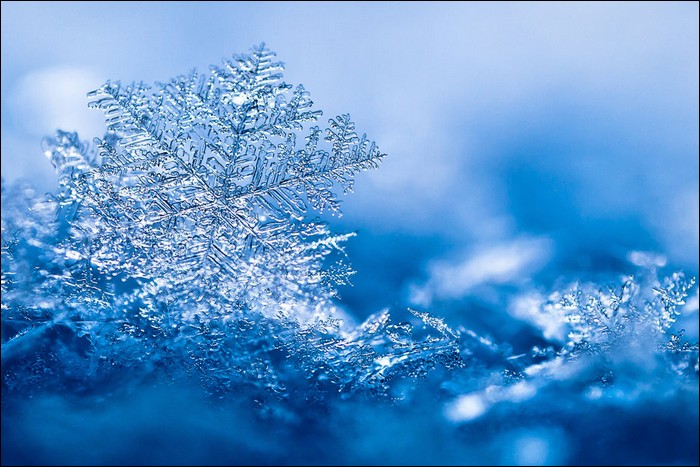
One of the basic rules of a classical haiku is the use of kigo. A kigo is a word that points towards the season in which the haiku scene was created. This month that classical rule we are exploring through modern and classical kigo and today I have a nice classical kigo, snowflakes (kazahana). Snowflakes we know all. Those wonderful creations, so fragile and in very different kinds. The Japanese translation "kazahana" means literaly "wind flowers" and I think that's the right translation for snowflakes, because as we look at snowflakes they look like flowers.

Snowflake (kazahana)
Look at the fragile structure and beauty of the above snowflake ... gorgeous isn't it? Nature is full of this beauty, but when did we (humans) stop appreciating the beauty of nature? I don't know, because I love nature in all its wonders. As a haiku poet I am admiring nature ... it's so beautiful and we have to cherish it.

I found two beautiful haiku by Kobayashi Issa:

little straw mat--
the cat comes with a coat
of snowflakes

snowflakes flitting down--
a winter solstice
celebration

© Kobayashi Issa

Fragile beauty (kazahana - snowflakes)
And here are a few haiku from my archive:

snowflakes
cover the red roses
on a new grave

falling gently
snowflakes
fragile beauty

© Chèvrefeuille

Look at that beauty ... isn't it a wonderful piece of nature? Snowflakes ... are awesome!

After doing some extra research I found another nice haiku about snowflakes by my sensei Basho:

polished again
the mirror is as clear as
flower-like snowflakes

© Basho (Tr. Jane Reichhold)

There is a small anecdote on this one. I remember that I once wrote a haiku in the same way, with almost the same words before I ever had heard of Basho or had read all his work. At that moment I was just a starting haiku poet and I was ofcourse proud on this one, but than ... it turned out to be a haiku by Basho. Here is that haiku I once wrote:

polished again
on the clear mirror
flowers of snow

© Chèvrefeuille

Isn't that strange? 

This episode is NOW OPEN for your submissions and will remain open until January 10th at noon (CET). I will try to publish our first weekend meditation later on.


Wednesday, January 2, 2019

Carpe Diem #1576 Dawn


Dear Haijin, visitors and travelers,

Welcome at a new episode of our wonderful Kai. This month we are going "classic" or in other words we are exploring classical and modern kigo (seasonwords). Today I have a wonderful modern kigo, again extracted from Jane Reichhold's "A Dictionary of Haiku", for you. Today that modern kigo for winter is "dawn" and to give you an idea of this modern kigo I have a few example haiku by Jane herself:

winter dawn
sounds of blowing snow
sleeping birds

sea dawn
the journey of snowflakes
to a parking lot

clouds resting
on top of snowdrifts
winter dawn

© Jane Reichhold (extracted from "A Dictionary of Haiku", the online version)

winter dawn
at dawn
fresh white blanket
ah! that silence


© Chèvrefeuille

I love the silence of a winter dawn as fresh fallen snow covers the fields.

This episode is NOW OPEN for your submissions and will remain open until January 9th at noon (CET). I will try to publish our new episode later on. For now .... have fun!