Showing posts with label Chèvrefeuille. Show all posts

Saturday, February 15, 2020

Carpe Diem Weekend Meditation #116 Renga With ... waiting for the full moon


!! Open for your submissions next Sunday February 16th at 7:00 PM (CET) !!

Dear Haijin, visitors and travelers,

Welcome at a new Weekend Meditation episode. This weekend I love to challenge you to create a Renga With ... That beautiful feature in which you have the opportunity to create haiku with known and unknown haiku masters.

This weekend I love to challenge you to create a renga with the so called "big five" (Basho, Issa, Buson, Chiyo-Ni and Shiki). And, how immodest, one of my own haiku.

Here are the six haiku to work with:

the autumn wind:
thickets and fields also,
Fuha Barrier

© Basho

a dandelion
now and then interrupting
the butterfly's dream

© Chiyo-Ni


the thunderstorm having cleared up
the evening sun shines on a tree
where a cicada is chirping 

© Shiki

simply trust:
do not also the petals flutter down,
just like that?

© Issa

in nooks and corners
cold remains:
flowers of the plum

© Buson


ancient warriors ghosts
mists over the foreign highlands -
waiting for the full moon

© Chèvrefeuille

Six nice haiku I think. Now it's up to you to create a renga with them by adding your two-lined stanza of approx. 7-7 syllables. You can choose your own "line-up". Enjoy this Renga challenge and have a wonderful weekend.

This weekend meditation is open for your submissions next Sunday, February 16th at 7:00 PM (CET) and will remain open until February 23rd at noon (CET). Enjoy!


Saturday, February 1, 2020

Carpe Diem Weekend Meditation #114 Renga With ... beach diamonds


!! Open for your submissions next Sunday February 2nd at 7:00 PM (CET) !!

Dear Haijin, visitors and travelers,

Welcome at a new weekend meditation here at Carpe Diem Haiku Kai, that nice special feature for the weekend. I think you all have noticed that I didn't publish on last Thursday and Friday, my excuses for that, I had a very busy (and tough) week, so I hadn't time to publish on those days.

This weekend I love to challenge you to create a Renga with several haiku poets. Your task is to add the two-lined stanza towards it. You can choose your own "line-up", but have to start with the haiku I will give first. So this Renga With ... is a kind of Hineri, with a twist.

Here are the six haiku to use, the first given haiku has to be your hokku (starting verse) and is a beauty created by Jane Reichhold (1937-2016).

beach diamonds
a new day crystallized
in sunny surf foam

© Jane Reichhold

cold spring breeze
makes the cherry blossom shiver
one heartbeat long

© Chèvrefeuille


The wind from Mt. Fuji
I put it on the fan.
Here, a souvenir from Edo

© Basho (Tr. Ryu Yotsuya)

watch birth and death:
the lotus has already
opened its flower.

© Soseki Natsume (Tr. Soiku Shigematsu)


dervishes whirling
- seeking a higher consciousness
third eye opens

© Chèvrefeuille

flute melodies
across green ocean waves
spring meadows

© Jane Reichhold

Six wonderful haiku to work with I think, not an easy task, but I think and belief that you all can do it. Enjoy this Renga With ...

This weekend meditation is open for your submissions next Sunday February 2nd at 7:00 PM (CET) and will remain open until February 9th at noon (CET). Have a great weekend.


Friday, August 2, 2019

Carpe Diem #1716 Poppies


Dear Haijin, visitors and travelers,

Welcome at the 2nd episode of our new CDHK month August 2019. This month we are "creating" a field of flowers, all prompts will be flowers that we can find in the fields around us. We will see a lot of beautiful flowers ... Today I have chosen "poppies" to work with.

Today I love to start with a "reprise" from an episode of one of my other weblogs, Basho Revisited. So a haiku by my master, Matsuo Basho (1644-1694) and a little background on it.


shira geshi ya   shigure no hana no   saki tsu ran

white poppy
it must have bloomed
from a wintry shower

© Matsuo Basho (Tr. Jane Reichhold)

As you can see ... this haiku is in Kanshicho-style. Let's take a closer look at the Romanji text and count the characters (syllables).

shi-ra ge-shi ya (5 syllables or characters)
shi-gu-re no ha-na no (7 syllables or characters)
sa-ki tsu ran (4 syllables or characters)

And now let us look at the English translation. Is that also in Kanshicho?

white poppy (2 syllables)
it must have bloomed (5 syllables)
from a wintry shower (5 syllables)

The English haiku is also in Kanshicho. Kanshicho is just another way of writing haiku.  In our Western world we use our own way of translating the Japanese haiku and that's not always following the classical syllables-count. So maybe we can say that all Western haiku are in Kanshicho?
Well maybe, but as you and I know, in the Western world we have a lot of classical written haiku, sometimes convulsively counted to serve the rules of the classical syllables-count 5-7-5. I am not a fan of that classical style, counted verse, but I do like to write them sometimes. To me the classical way of writing haiku is very difficult. Maybe that's because English isn't my mother tongue.
By the way. The haiku written by Basho, the one in this episode, was published in a three-volume collection of haikai by Ochi Etsujin in 1717.


At Basho Revisited I try to create haiku inspired on the haiku by Basho trying to "touch" the same tone and sphere. So here is the haiku I created:

at sunrise
poppies still redder
sacrifice for God

© Chèvrefeuille

Awesome! Gorgeous haiku in Kanshicho-style. Hope you enjoyed the read and of course the whole episode.

To conclude this episode I have another haiku for you:

one summer day
poppies coloring the meadows -
raindrops start to fall

© Chèvrefeuille

Well ... a nice one don't you think so too? This episode is NOW OPEN for your submissions and will remain open until Auhust 9th at noon (CEST). Later today I will publish our new weekend meditation, so today ... two episodes to read. Have fun!


Friday, May 31, 2019

Carpe Diem Weekend Meditation #87 Crossroads ...


!! Open for your submissions next Sunday June 2nd at 7:00 PM (CEST) !!

Dear Haijin, visitors and travelers,

Welcome at a new weekend meditation here at Carpe Diem Haiku Kai. Today (June 1st) Summer starts according to meteorology, so I have created a new logo for our weekend meditation. On the logo you see the renown Golden Temple (Kinkaku-ji) at Kyoto Japan.

As you all know the weekend meditation is a way to meditate and contemplate about your Japanese poetry before publishing. This weekend I love to challenge you with a "Crossroads" episode. The goal is to create a new haiku inspired on two given haiku and create a Troiku with the newly created haiku. (More on Troiku above in the menu).

Deep Silence

Here are the two haiku to work with, both are created by myself:

reaching for the sun
lotus flowers bloom from the mud
old pond changes

deep silence
even deeper as the nightingale starts to sing
beautiful life

© Chèvrefeuille (2017)

Create your new haiku from or inspired on these two haiku and create a Troiku with your new haiku. Enjoy your weekend and this Crossroads challenge.

This episode is open for your submissions next Sunday June 2nd at 7:00 PM (CEST) and will remain open until June 9th at noon (CEST). Have a wonderful weekend.


Sunday, May 12, 2019

Carpe Diem #1662 Tan Renga Challenge Month May 2019 (9) Watching a Snail


Dear Haijin, visitors and travelers,

I hope you all have had a wonderful weekend, I had for sure a nice weekend. Welcome at a new episode in our TRC month May 2019. As you all know I see Basho (1644-1694) as my sensei, my master therefore I have chosen a haiku written by myself in honor of him, my master,

As I discovered haiku back in the late eighties I hadn't heard of Basho, but after reading one of the most popular haiku books in Dutch ("Een Jonge Maan", by J. van Tooren; "A young Moon" by J. van Tooren) I was caught by the beauty of the haiku written by Basho ... I read all haiku that are known by him and so I am ... influenced by Basho's way of writing haiku. I owe a lot of my haiku skills to him and of course to Jane Reichhold, who has given me the opportunity to read all the haiku by Basho in her "Basho, The Complete Haiku".

Snails in the Moonlight
And here is the haiku to work with. It's part of a cascading haiku I created back in February 2012:

I bow to my master
Matsuo Basho told me the way
to watch a snail

© Chèvrefeuille

Well ... a nice haiku I would say (how immodest) in honor of my master Matsuo Basho. And now it is up to you to add the 2nd satnza of this Tan Renga ... have fun!

This episode is NOW OPEN for your submissions and will remain open until May 19th at noon (CEST). I will try to publish our new episode later on.


Friday, May 3, 2019

Carpe Diem Weekend Meditation #83 Renga With ... sun's reflection


!! Open for your submissions May 5th at 7:00 PM (CEST) !!

Dear Haijin, visitors and travelers,

Welcome at a new weekend meditation, that special feature for the weekends. A way of meditating and contemplating about a given theme or to reflect on your thoughts about haiku to work with. This weekend I have chosen to challenge you with a Renga With ... episode. This Renga With ... episode I love to challenge you to create a Renga with six haiku crafted by myself.

Here are the haiku to work with. I am looking forward to the renga toare going to create.

Narcissus
in love with his reflection
vainglorious guy

snowdrops blooming
waving goodbye to Winter
nearly Spring

icicles hanging
at the gutter of the old mansion
sun's reflections

Icicles (photo © Gita Photos _ Ron Hallam)

this cold winter night
laying naked under my quilt
feels like summer

messenger of heaven
circling high above my head -
re-thinking my life

light of ember
mysterious shadows on the wall -
a cool summer night

© Chèvrefeuille

You all know what to do but I will give you the task again. You have to add the two-lined stanza between the haiku. You may choose your own "line-up". Try to make it a closed chain by creating the "closing verse" or "ageku" associated on the "hokku" or "starting verse". Have a great weekend.

This weekend meditation is open for your submissions next Sunday May 5th at 7:00 PM (CEST) and will remain open until May 12th at noon (CEST). 


Saturday, February 9, 2019

Carpe Diem Weekend Meditation #71 Crossroads Hineri ... cherry blossom


!! Open for your submissions next Sunday February 10th at 7:00 PM (CET) !!

Dear Haijin, visitors and travelers,

Welcome at a new weekend meditation episode here at our wonderful Haiku Kai. I created this special feature a few years ago to give me some time off ... and I am glad I have created it, because it's a joy to have a few days off.

This weekend I love to challenge you with a Crossroads Hineri episode. As you know Crossroads is the feature to create a fusion-ku from two given haiku. This weekend it's a Crossroads Hineri episode and that means that you not only have to create a fusion-ku, but also a Troiku with your fusion-ku.

Yesterday I read a Japanese news paper and in that paper was the first cherry blossom forecast. The cherry blossom forecast gives the Japanese people the opportunity to go cherry blossom viewing, because for the Japanese that is a wonderful event.


Cherry Blossom

So the theme for this weekend meditation is Cherry Blossom (viewing). I have chosen two haiku created by myself to work with. I have taken those haiku from one of our exclusive CDHK E-books titled "fragile beauty".

standing naked
in awe of the first cherry blossom
dancing in the garden

on winter's edge
the first Cherry blossom blooms
rain falls softly

© Chèvrefeuille

Two haiku from my archives taken from "fragile beauty" (you can find the complete E-book in our CDHK Library) to work with. You all know I love Cherry Blossoms and to me it's always a joy to see the first cherry blossom in my Sakura in the backyard.

Goal for this weekend meditation is to create a "fusion-ku" with / from the given haiku and to create a Troiku (more on Troiku you can find in the menu) with your "fusion-ku".

This episode is open for your submissions next Sunday February 10th at 7:00 PM (CET) and will remain open until February 17th at noon (CET). Have a great weekend!


Tuesday, September 25, 2018

Carpe Diem Tan Renga Challenge September 2018 Chained Together III (19) broken sunflower


Dear Haijin, visitors and travelers,

Welcome at a new episode in our TRC month Chained Together III. Today I have chosen a not so well known haiku written by myself to work with. During lack of time, I am very busy at work, I will not create a long episode. So here is the haiku to work with:

broken sunflower
torn apart by a rainstorm --
puddles on the path

© Chèvrefeuille, your host

Sunflower Reflections
Well ... it's up to you now ... create a wonderful Tan Renga with the above haiku by adding your 2nd stanza to it. Enjoy ... the task.

This episode is NOW OPEN for your submissions and will remain open until October 2nd at noon (CEST). Have fun ...!

Tuesday, September 4, 2018

Carpe Diem's Tan Renga Challenge September 2018 Chained Together III (3) a soothing breeze


Dear Haijin, visitors and travelers,

During lack of time, I am on the nightshift, I have only the haiku to work with to make a Tan Renga with. This episode I have chosen a haiku I wrote myself back in 2015. That haiku was a response on an episode of CDHK about Basho's "Narrow Road Into The Deep North", his world famous haibun.

I challenge you to create the 2nd stanza of two lines with approximately 14 syllables to make the Tan Renga complete.

a soothing breeze
cicadas sing their song
sound of water


© Chèvrefeuille (2015)

I am looking forward to all of your continuations and completions. Have fun!

This episode is open for your submissions tonight at 7:00 PM (CEST) and will remain open until September 11th at noon (CEST). I will try to publish our new episode later on.

Friday, July 13, 2018

Carpe Diem Weekend Meditation #41 Soliloquy no Renga "ancient warriors ghosts"


!! Open for your submissions next Sunday July 15th at 7:00 PM (CEST) !!!

Dear Haijin, visitors and travelers,

Welcome at a new episode of our special feature "Carpe Diem's Weekend Meditation", the feature that gives you (and me) time to meditate and contemplate before submission. This special feature gives me more time and some time off, because there is no need for me to publish every day. Of course that doesn't mean that I never will publish something in the weekend.

Recently I started with our new feature "Renga Challenge" in which I challenge you to create a renga together with Basho (or as planned later some other classical haiku poet). It looks like you all enjoy that feature a lot, so I have chosen to challenge you this weekend to create a so called "Soliloquy no Renga" (or solo-renga). Maybe you can remember that feature that I launched several years ago here at CDHK.


For this weekend "challenge" I will give you a hokku (or starting verse) to work with. The goal is to create a renga on your own and not as is common with another or more haiku poets. A renga is built from 3-lined and 2-lined stanza as you all will know. It makes a "chained verse" through association on the verses.

Today's hokku is the following, created by myself:

ancient warriors ghosts
mists over the foreign highlands -
waiting for the full moon

© Chèvrefeuille

The goal is to create a Soliloquy no Renga of a minimum of six (6) verses or a maximum of 24 verses. Try to create your solo-renga as if it was a book. That means try to bring a "preface", a "centerpiece" and an "afterword". In that way you create a renga like the classical haikupoets, because every renga had such a "grouping" (lay-out).

Ancient Warriors Ghosts (Japanese Woodblock) (image found on Pinterest)
This weekend-meditation is open for your submissions next Sunday July 15th at 7:00 PM (CEST) and will remain open until July 22nd at noon (CEST). Have a great weekend with a lot of inspiration.


Friday, June 1, 2018

Carpe Diem Weekend Meditation #35 Troiku Challenge "summer solstice"


!!! Open for your submissions next Sunday June 3rd at 7:00 PM (CEST) !!!

Dear Haijin, visitors and travelers,

Welcome at the first CDHK weekend-meditation of this month and summer 2018. I have created a new logo for this special weekend feature and I have chosen a few new "challenges". In this first weekend-meditation of June 2018 I have chosen to challenge you to create a Troiku, that creative way of haiku-ing. (more about Troiku above in the menu).

Maybe you can remember one of our last episodes of "crossroads". I challenged you to create a so called "fusion"-haiku from two given haiku and to create a Troiku with your "fusion'-haiku. I was glad to see that you liked that challenge, so that's the reason why I choose "Troiku Challenge" for this weekend-meditation.

I will give you two haiku to create a "fusion"-haiku with and to create a Troiku from that "fusion"-haiku. For this first "Troiku Challenge" I have chosen two haiku created by myself (how immodest).

Shinto Summer Solstice at the Wedded Rocks

between the wedded rocks (*)
the sun rises to her highest throne
summer solstice

mountain stream
the ice has melted - dances in the sun
crystal waterdrops

© Chèvrefeuille

(*) Meoto Iwa, or the Loved one-and-loved one Rocks, are a couple of small rocky stacks in the sea off Futami, Mie, Japan. They are joined by a shimenawa (a heavy rope of rice straw) and are considered sacred by worshippers at the neighbouring Futami Okitama. According to Shinto, the rocks represent the union of the creator of kami, Izanagi and Izanami. The rocks, therefore, celebrate the union in marriage of man and woman. The rope, which weighs over a ton, must be replaced several times a year in a special ceremony. The larger rock, said to be male, has a small torii at its peak.
The best time to see the rocks is at dawn during the summer, when the sun appears to rise between them. Mount Fuji is visible in the distance. At low tide, the rocks are not separated by water.

And now it is up to you to create a "fusion"-haiku and with that "fusion"-haiku a Troiku. Have a wonderful weekend full of inspiration.

This episode is open for your submissions next Sunday June 3rd at 7:00 PM (CEST) and will remain open until June 10th at noon (CEST). I will try to publish our new regular episode later on. I hope to publish our new prompt-list also later on. For now ... have fun!


Thursday, May 10, 2018

Carpe Diem's Quest for a (new) Masterpiece ... introduction

credits logo-image
Dear Haijin, visitors and travelers,

Have you written your masterpiece yet? I hope so, but what is a masterpiece? I think a masterpiece is a haiku (or tanka) that has the power, the strength, to become a classic or an evergreen.

Here at CDHK I have often shared that beautiful masterpiece by Matsuo Basho (1644-1694), that is renown even by people who are not familiair with haiku. You all will already know which haiku I mean, we even created an exclusive CDHK E-book inspired on that renown haiku ...

old pond
a frog jumps
water sound

© Basho (Tr. Chèvrefeuille)

I think you all agree that this is a masterpiece ...


Another masterpiece, in my opinion, is that beauty by Chiyo-Ni about the Morning Glories:

morning glory!
the well bucket-entangled,
I ask for water

© Chiyo-Ni

For sure you will know other masterpieces by classical (and non-classical) haiku (or tanka) poets, but the goal of this new feature isn't the quest for known (renown) masterpieces, but to create masterpieces, it's a real challenge, because you, my dear haijin, visitors and travelers, have to challenge yourself to create your masterpiece.

What makes a haiku (or tanka) a masterpiece? Well ... I will give it a try to tell you what a haiku (or tanka) makes a masterpiece in my opinion.
First: It has to describe a moment that got your attention.
Second: You have to use the right words. Words that describe the moment in its true way.
Third: Maybe ... use the classical way of creating haiku (or tanka) (as mentioned in CDHK Lecture One above in the menu).
Fourth: It has been written right from the heart or soul not the mind.
Fifth: It's (maybe) in the sense and tone of the classical haiku (tanka) poets.
Sixth: It has to be ... how shall I say it ... be your child, your creation ... in a masterpiece we can read, between the lines, the poet who created it.


scent of Honeysuckle
arouses the senses of youngsters
hot summer night

© Chèvrefeuille

Not a masterpiece maybe, but all the above things mentioned are there.

This new feature is a tough one I think, but I also think you all can do it. You are all devoted members of CDHK, but above that you are all devoted haiku (and tanka) poets ... so I think you all can do it ... create your masterpiece and share it with us all.

With this new feature I also hope to talk you over to create a new exclusive CDHK E-book with these masterpieces ...

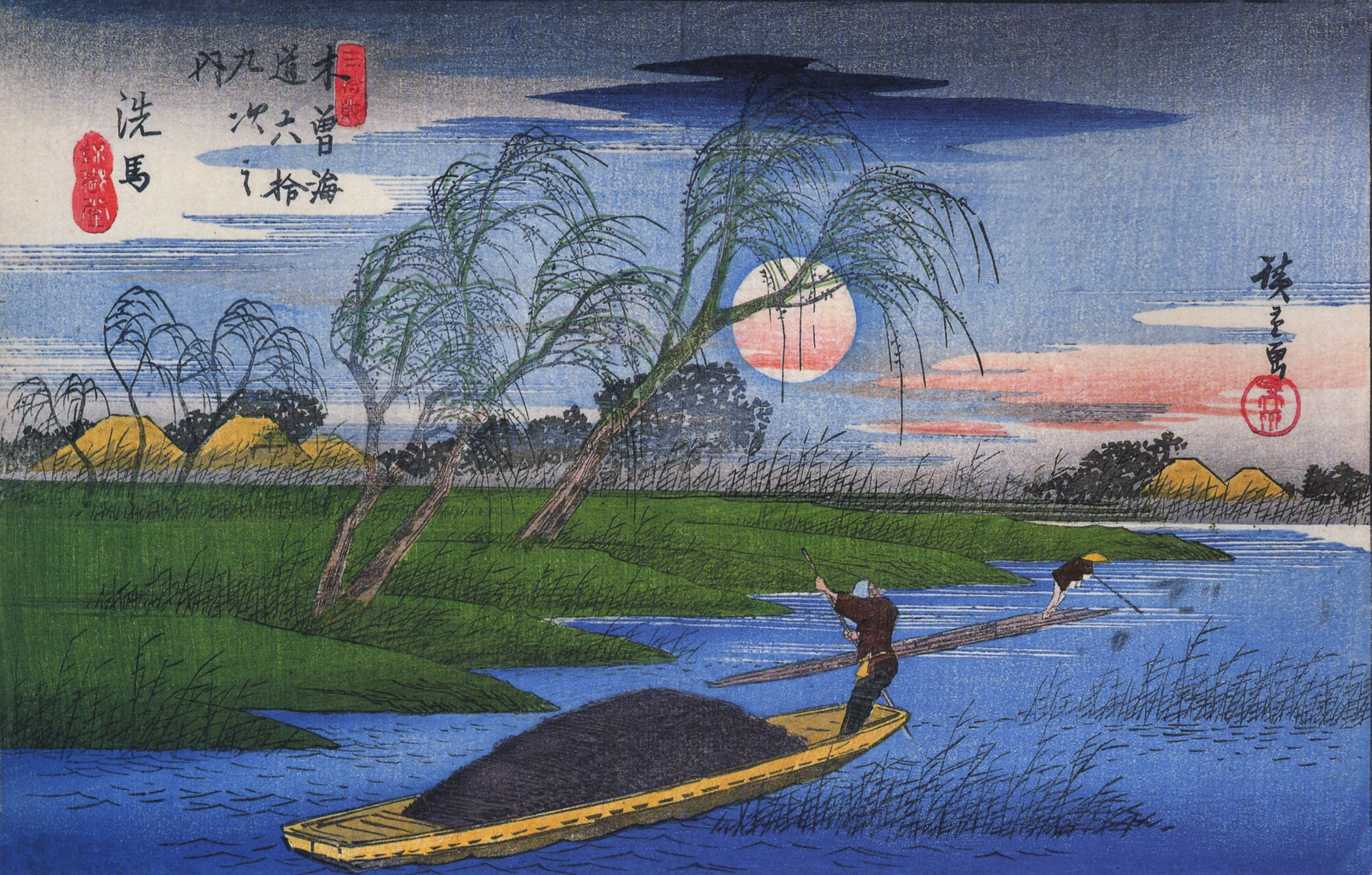
This new feature is awesome I think and for this introductory episode I have also a nice theme for you to work with. In the logo of this new feature you see a Japanese woodblock print by Hiroshige (1797-1858) titled "Men poling boats past a bank with willows".

Wind Blown Grass Across The Moon - Hiroshige

Utagawa Hiroshige, was a Japanese ukiyo-e artist, considered the last great master of that tradition.
Hiroshige is best known for his landscapes, and for his depictions of birds and flowers.
The subjects of his work were atypical of the ukiyo-e genre, whose typical focus was on beautiful women, popular actors, and other scenes of the urban pleasure districts of Japan's Edo period (1603–1868). The popular Thirty-six Views of Mount Fuji series by Hokusai was a strong influence on Hiroshige's choice of subject, though Hiroshige's approach was more poetic and ambient than Hokusai's bolder, more formal prints.

The above painting by Hiroshige, Wind Blown Grass Across The Moon, is a wonderful painting ... a masterpiece ... Look at the poetic scene, the simple use of colors. Just a few lines to tell the whole story. That's the way to create a masterpiece.


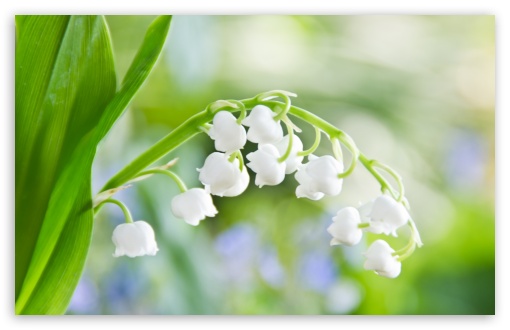
Lilies of the valley
their sweet perfume makes me drowsy
hot summer night
between silken sheets her warmth
honeysuckle coolness

© Chèvrefeuille

A challenging new feature ... NOW OPEN for your submissions. This episode will remain open until May 17th at noon (CEST). This new feature I will publish once a week.


Friday, November 3, 2017

Carpe Diem Weekend-meditation #5 Troiku ancient warriors


!!! Open for your submissions next Sunday November 5th 2017 at 7:00 PM (CET) !!!

Dear Haijin, visitors and travelers,

Welcome at the first weekend-meditation of November 2017. Last month we celebrated our fifth anniversary so we had no weekend-meditation, but this month I will bring back the weekend-meditation.

For this first weekend-meditation of November I love to challenge you to create a Troiku. The Troiku is a creative way of haiku-ing which I invented back in 2012. The goal is to create three haiku starting with the separated lines of a haiku. Let me give you an example:

Say this is the haiku from which you have to create a Troiku:

old pond
a frog jumps in
the sound of water

© Basho

Than you have to create three haiku with the separated lines: that means you have to create a haiku that starts with the first line "old pond", a haiku that starts with the second line "a frog jumps in" and a third haiku that starts with the third line "the sound of water". Of course these three haiku are all in the so called "free-style" like the haiku by Santoka Taneda. More about Troiku you can find above in the menu.

Troika, the "mother" of Troiku
The Troiku was created  from the Russian sleigh, troika, a sleigh with three horses. So the "base-haiku", you can see as the sleigh and the three separated haiku you can see as the horses.

For this weekend meditation I have chosen a modern haiku and a classical haiku to create a Troiku with. The modern haiku is by myself and the classical haiku is by Basho. Here are the two haiku to work with and create a Troiku with.

ancient warriors
between battle and peace
writing haiku

© Chèvrefeuille


falling to the ground
a flower closer to the root
bidding farewell

© Basho

Winter Rose
I am looking forward to your Troiku. It's not an easy form to create, but it's a joy to work with the given haiku and it feeds your creativity I think. Just try it ... it is really fun!

This episode is open for your submissions next Sunday November 5th at 7:00 PM (CET). And will remain open until Sunday Novemeber 12th at noon (CET). I will try to publish our new episode, another beautiful quatrain by Omar Khayyam also on Sunday November 5th.


Tuesday, May 30, 2017

Carpe Diem Tan Renga Challenge Month 2017 #19 in the light of dawn (Chèvrefeuille, your host)


Dear Haijin, visitors and travelers,

Welcome at the last episode of this Carpe Diem Tan Renga Challenge Month 2017. This month we have created wonderful Tan Renga inspired on wonderful "hokku" by classical and non-classical haiku poets. To conclude this month I have a nice haiku (how immodest) written by myself. This haiku I wrote in February 2016 as part of our first Theme Week. In this haiku I used the haiku writing technique "baransu" or "balance through association", a haiku writing technique which I created myself for our first series of CDHK Haiku Writing Techniques. More about this "baransu" technique you can find HERE.

Here is the "hokku" to work with for this last episode of this Tan Renga Challenge Month:

in the light of dawn
sunflowers reach to the blue sky
praising their Creator

© Chèvrefeuille

sunflowers (image found on Pinterest)
A wonderful challenge I think. Of course I cannot create a new 2nd stanza towards this one, because Tan renga is written by two poets and not by one. On the other hand ... I can create a Tanka with it, maybe that's what I am going to do.

in the light of dawn
sunflowers reach to the blue sky
praising their Creator
while a choir of birds falls in
she my love has to go home

© Chèvrefeuille

Not bad, not bad at all ... I even think this one is based on my experience, because when my wife and I met more then 25 years ago, she stayed several nights at my home, but had to leave at the break of dawn.

Well ... this was it ... our second Tan Renga Challenge Month at CDHK. I enjoyed creating it for you and I hope you all did like it.

This episode is NOW OPEN for your submissions and will remain open until June 4th at noon (CET). I will try to publish our first episode of our next month, prayer flags, later on. For now ... have fun!


Sunday, April 30, 2017

Carpe Diem Tan Renga Challenge Month (Second Edition), May 2017 #1 on a gust of wind


Dear Haijin, visitors and travelers,

Welcome at the first episode of our new Carpe Diem Haiku Kai month. As I did last year in May I have another nice month of Tan Renga Challenges. The goal is to create the second stanza through association on the first stanza.
Tan Renga is a short chained renga created by two poets. To "learn" more about Tan Renga you can find a page about it in the menu. Or you can download the exclusive CDHK E-book "Chained Together" which I created last year after our Tan Renga Challenge Month. You can find "Chained Together" in our CDHK Library.

For this first episode I have chosen a haiku crafted by myself and your task is to create the second (two-lined stanza, following approximately 7-7 syllables).


on a gust of wind
the cherry blossoms dance through the streets
in praise of the Creator

© Chèvrefeuille

Well ... now it is up to you my dear Haijin, visitors and travelers to create your second stanza. Have fun!

This episode is NOW OPEN for your submissions and will remain open until May 5th at noon (CET).


Wednesday, August 17, 2016

Carpe Diem #1027 movement


Dear Haijin, visitors and travelers,

Welcome at a new episode of our daily haiku meme Carpe Diem Haiku Kai. This month its all about "the power of words". I try to inspire you through quotes by known and unknown people. For today I have (how immodest) a quote by myself. Maybe you can remember our discussion on "movement in haiku". I introduced "undou" (movement) to you as a "new" haiku writing technique and from one of those posts I have extracted the following quote:

[...] "Haiku is the poetry of nature and nature is always in motion. Seasons come and go, the moon changes every 28 days and so on, the only thing which is steady and without clear motion is our sun, that big star of our Milky Way around which the planets are rotating." [...] Chèvrefeuille, your host

Here is an example of what I call an "undou" haiku:

old pond
frog jumps in
sound of water


© Basho (1644-1694) (Tr. Chèvrefeuille)


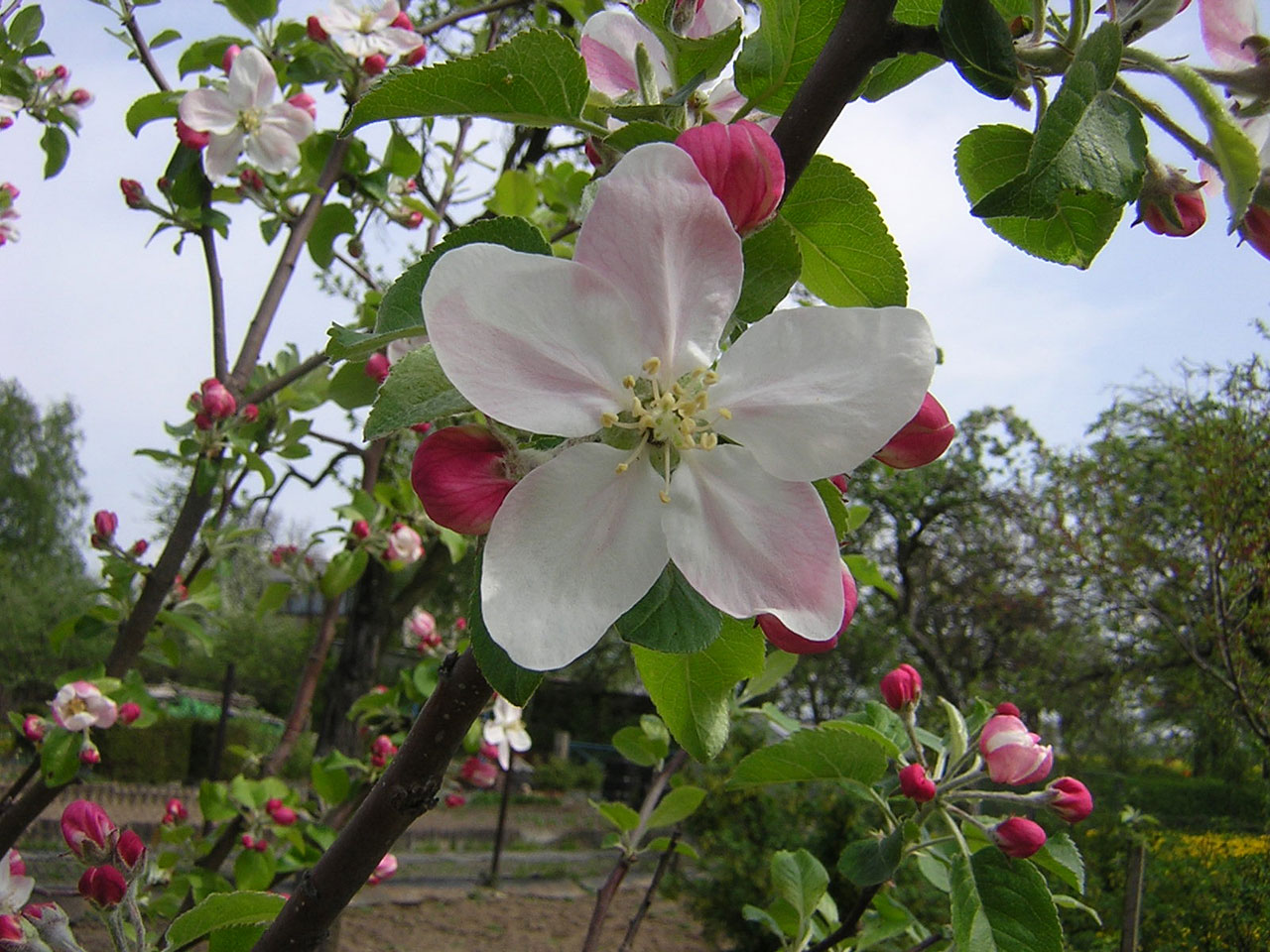
Apple Blossom
And one by myself:

apple blossom falls
scattered by the late spring breeze
apple blossom falls

© Chèvrefeuille
I hope I have inspired you with this quote and I am looking forward to your responses.

This episode is open for your submissions tonight at 7.00 PM (CET) and will remain open until August 22nd at noon (CET). Have fun!


Friday, August 12, 2016

Carpe Diem #1022 dreams


Dear Haijin, visitors and travelers,

In this month of "the power of words" I have tried to inspire you with beautiful quotes and today I will do that again. For today I have chosen a quote (how immodest) by myself, your host.

This quote I have taken from the Souchou Spring edition. By the way I haven't had time to edit the Summer edition of Souchou, my apologies for that.

Here is the quote for your inspiration:


[...] "I know I am a dreamer … but I belief strongly, that love will conquer all evil … and as Spring is here again than I only can say: Yes love has conquered again!!" [...] Chèvrefeuille


This episode is NOW OPEN for your submissions and will remain open until August 17th at noon (CET).

PS.: The last episode of the Theme Week in tribute to Jane Reichhold I will publish tomorrow.


Sunday, July 3, 2016

Carpe Diem Utabukuro #13


Dear Haijin, visitors and travelers,

Welcome at a new episode of Carpe Diem Utabukuro, the special feature in which you may choose your own favorite haiku, tanka or other Japanese poetry form. This can be written by a classical or modern haiku poet or yourself.


Tell us why that specific haiku, tanka or other Japanese poetry form is one of your favorites and try to write an all new haiku inspired on the verse of your choice. This week I have chosen a beauty by Basho. As you all know I am a big fan of Basho, and I see him as my master, and every haiku written by him is my favorite, but there are a few which I like the very most. For this week ... one of my favorites by Basho:


morning glories
in the daytime a lock
upon the gate


© Basho (1644-1694)


In summer 1693 Basho decided to lock himself up. He would like to think over is his life and closed the gate to his home. You can see this as a retreat. He needed to seek closure for his life as a haiku master. During the months of July and August, Basho closed his gate to visitors. Because the morning glory flower closes up during the day.

Honeysuckle (the English translation of my penname)

As I read this haiku for the very first time I had the idea myself to go on a retreat, but that's not my way of living. I love people around me and I, for sure, will not close my gate for visitors. I am the opposite of Basho. I embrace the people around me. I can't live without them. Of course ... I take sometimes a few days for myself, but that's more to come to myself, to get new energy and inspiration.

a few days
to become myself
and be inspired

the Honeysuckle
in front of my house
guards the gate


© Chèvrefeuille

I am looking forward to your favorites.

This Utabukuro episode is open at noon (CET) and will remain open until July 8th at noon (CET). Have fun!


Saturday, June 25, 2016

Carpe Diem Utabukuro #12


Dear Haijin, visitors and travelers,

It's my pleasure to bring to you a new episode of our special CD feature "Utabukuro" (or "poembag"). Let me tell you the goal of this special feature first:

The goal of this CDHK feature is not difficult, because I just ask you to share a haiku or tanka which you admire. That haiku or tanka can be one of a classical or non-classical haiku poet or one by you. You can choose whatever you like, but it has to be a haiku or tanka. Maybe the haiku brings you sweet (or sad) memories or you just like it. Explain why you have chosen that haiku or tanka to share here "in" CDHK's Utabukuro, poem bag and ... that's the second task for this feature, write/compose an all new haiku inspired on the one you have chosen.
For this episode I dived into my archives (built from 1988) and choose a haiku which I once have written myself for Wonder Haiku Worlds.

This haiku I wrote in 2006, it was a first try to write in the free style as Santoka Taneda did. (I also will give the Dutch translation):


silence
petals of cherry blossoms fall
so quiet

stilte
kersenbloesem valt

zo sereen
© Chèvrefeuille

Recently I wrote a few haiku for the haiku-contest of the Vancouver Cherry Blossom Festival, which I (of course) cannot re-publish here, because the judging is still going on, and the haiku I submitted for this contest cannot be published earlier.

As you all know cherry blossoms are one of my favorite themes to write haiku about. So to fulfill the goal of this feature I love to share an all new haiku on Cherry Blossoms.

departing
cherry blossom petals fall
without sound
© Chèvrefeuille
And now it is up to you. Share your favorite haiku with us all and try to create an all new haiku inspired on your choice haiku.
This episode is open for your submissions at noon (CET) and will remain open until next Saturday July 2nd at noon (CET). Have fun!

Wednesday, May 18, 2016

Carpe Diem Tan Renga Challenge Month May 18th and 19th: praying hands & two bubbles


Dear Haijin, visitors and travelers,

As I started preparing this episode I realized myself that I had published also a Tan Renga Challenge for May 18th, but that was a Wednesday and Wednesday means "Tokubetsudesu" time. However because of having published two "hokku" on our Twitter account I will give you the opportunity to respond on both "hokku".
Today you may decide yourself for which "hokku" you choose, but of course you may respond with your completion on both "hokku" too ... that's all up to you. To make it myself easy I will only give the both "hokku" without responding in this episode myself to write the second stanza.

So here are your choices:

praying hands
seeking the wisdom of the Lord
the cry of an eagle 


© Chèvrefeuille, your host.


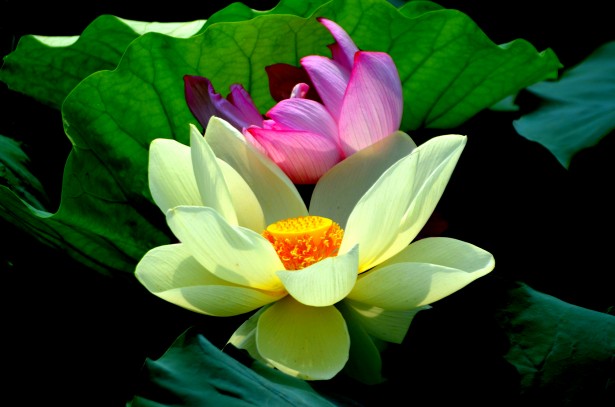
Lotus Flower

And this one by a not so well known classical haiku poet Murakami Kijo (1865-1938):

the moment two bubbles
are united, they both vanish,
a lotus blooms


© Murakami Kijo *

*) Kijo Murakami (1865-1938). Murakami Kijo, the Haiku poet, was born in Edo in 1865, and moved to Takasaki city in 1873. He was in sympathy with Masaoka Shiki and joined his group to publish the first edition of 'Hototogisu', the famous Haiku magazine. He published the collection of Kijo in 1917. He was a highly esteemed poet both within the prefecture and nationally. He died on September 17th, 1938 at the age of 73.

Well ... not an easy choice maybe, but ... go for it.

This episode is NOW OPEN for your submissions and will remain open until May 23rd at noon (CET). You can find our new "hokku" for May 20th and 21st at our Twitter account.