Showing posts with label the leaves are falling. Show all posts

Thursday, November 29, 2018

Carpe Diem #1556 fleeting autumn (yuku aki) ..


Dear Haijin, visitors and travelers,

Welcome at the last episode of CDHK November 2018 in which we celebrated the beauty of autumn. We have had wonderful prompts this month and I hope you all did like this special theme-month "the leaves are falling". It was a joy to create this month for you and I am looking forward to our upcoming month, December.
In December we will go on a journey straight through the Americas. We will "ride" the Pan American Highway from Canada to Argentina and I hope this journey will be an awesome one. Are you going with me?
Next month I will use another linking widget. That linking widget is of "Mr. Linky" and is used very often on other websites and on other parts of our CDHK Family community. The "Mr.Linky" widget has no time period, so I hope you all will respond as usually within a week. I will try the "Mr. Linky" widget a month and than we will evaluate it.


Fleeting Autumn (yuku aki)

To end this celebration of autumn with I have a nice classical kigo, fleeting autumn (yuku aki), for you to work with.

Let me give you a little background on this classical kigo:

In autumn, the feeling of sadness and loss is expecially explicit in most of the kigo related to its parting. The coming winter season was a hard one to live through in the times without electricity and central heating of the Edo period.

So many haiku about "fleeting autumn" were written in a sad tone, but there were also haiku that were positive, because after the dark period of the year nature will come alive again ...

fallen leaves
come flying from elsewhere:
autumn is ending

© Shiki

the stream hides itself
in the grasses
of departing autumn

© Shirao

And a last one in which the sad feeling is almost senseable:

the pampas grass
waves good-bye, good-bye,
to departing autumn

© Issa


I love to end this episode with a few poems by myself, first a Troiku:

walking on the heath
in the light of the full moon
the scent of autumn

walking on the heath
feeling one with a Shepherd
in contact with God 

in the light of the full moon
laying down in the meadow
the River of Heaven 

the scent of autumn
feelings of departure and loneliness
tears in the puddle

© Chèvrefeuille

And a tanka:

autumn departs
in deep silence willow leaves fall -
tears on this grave
as the willow is green again
another year has gone

© Chèvrefeuille

I hope you did like this final episode of November.

This episode is NOW OPEN for your submissions and will remain open until December 6th at noon (CET). I will try to publish our first weekend meditation of December later on.


Wednesday, November 28, 2018

Carpe Diem #1555 Renga With Basho ... still it sways


Dear Haijin, visitors and travelers,

Welcome at a new episode of our wonderful Kai were we are celebrating autumn as you can read in the theme "the leaves are falling". Today I have chosen to challenge you with a new "Renga With Basho ...". As you all know I see him as my sensei and I am honored that I may give you the opportunity to create renga with my sensei. You can choose your own "line-up" and of course your own "hokku" (starting verse). You have to add your two-lined stanza of approximately 14 syllables. Please try to "close the chain" by creating an "ageku" (closing verse) that associates with the "hokku".


Lactarius Hatsudake (Photo © Ruben Walleyn)

Here are the six haiku to use:

mushrooms *
not yet that many days
of autumn dew


pine mushroom
with its ragged top it's
like a pine tree


moon past full
the beginning of a little more
darkness


morning glories
in the daytime a lock lowered
on the gate
**

chrysanthemum flowers
bloom at the stonemason's
between stones


Glistening Dew (image found on Pinterest)

glistening dew
not spilling from bush clover
still it sways


© Matsuo Basho (Tr. Jane Reichhold, taken from "Basho, The Complete Haiku")

* The mushroom here is the Lactarius Hatsudake it bleeds a reddish liquid that changes into green when broken. In spite of this spooky attribute, the mushroom is edible. One does not know from the poem whether the autumn dew that Basho mentions is actual dew or this fluid.

** Remarks on Closing The Gate: "... if anyone comes, I have to make unnecessary talk. If I go out to visit anyone, I feel bad for disturbing him. I should be content without any friends. I should feel wealthy in spite of my poverty. A fifty-year-old man writes this for himself as precept for his edification".

Six wonderful haiku I think. Full of intensity and beauty. A real joy to work with I think and I am looking forward to all your beautiful responses. By the way ... I love to create a new exclusive CDHK E-book in which I will gather all your wonderful renga created with Basho. I hope you all will be okay with that.

Cover of our new exclusive CDHK E-book "still it sways" renga with the master

This episode is NOW OPEN for your responses and will remain open until December 5th at noon (CET). I will try to publish our new episode later on. For now ... have fun!


Tuesday, November 27, 2018

Carpe Diem #1554 Haunted Houses (modern kigo)


Dear Haijin, visitors and travelers,

"Listen to the wind", he whispers. "Listen ... do you hear them? The weak voices of my ancestors in this ancient family home". I tried to listen hard and than ... there it was a soft whisper "leave this house, leave this house". I looked at him and he nodded. "Yes ... it's one of my ancestors ... my roots are in the native races here in the US". "Do you mean ...?" "Yes I am an indian. Here in this house my ancestors stayed for a while, but than soldiers came and the owners of the house saved us".

Haunted House (photo © Seph Lawless)

Just a small (impromptu) story to introduce our modern kigo, haunted houses, to you. This modern kigo I have extracted from Jane Reichhold's "A Dictionary of Haiku", from the section autumn and the sub-section autumn occasions.

And here is my challenge for you today. Create a haibun, haiku or other Japanese poetry form inspired on the following two haiku by Jane Reichhold:

deserted house
wild roses still have a view
of the remote coast

vacant stares
from the vacant house
no one looks

© Jane Reichhold

I love those old houses were you can hear the wind blow through the chimney, bare branches knock on the windows ... spooky ... ghostly maybe ...

This episode is NOW OPEN for your submissions and will remain open until December 4th at noon (CET). I will try to publish our new episode later on. For now ... have fun!


Monday, November 26, 2018

Carpe Diem #1553 waving the pampas grass (crossroads)


Dear Haijin, visitors and travelers,

I had a very busy day today, because I had to arrange some things for my new job at the University Hospital were I will start Friday December 7th at the Hematology unit. But now back to our prompt for today. As you have read in the title I have a nice crossroads episode for you.

I have found two nice (modern) haiku by two different haiku poets that died in the last century. I will give you the two haiku and than I challenge you to create a fusion ku with it and if you like ... you can also create a Troiku with your fusion ku, but that's not necessary.

Pampas Grass (© Stacey Mollus)

Waving the pampass grass,
At the Shinjuku station,
I said goodbye.

© Yamaguchi Seison(1892-1988)


The migratory birds
Make the wind blowing down to Asaka
From mountains frequently.

© Kawahigashi Hekigoto(1873-1937)

Two nice haiku by two not so renown haiku poets to work with. Enjoy the fun!

This episode is NOW OPEN for your submissions and will remain open until December 3rd at noon (CET). I will try to publish our new episode later on.


Sunday, November 25, 2018

Carpe Diem #1552 autumn colors along the highway (CD Imagination)


Dear Haijin, visitors and travelers,

Welcome at the last week of this wonderful month full of celebration of autumn. Recently I told you that we will go on a journey again here at CDHK. Next month we will ride the Pan American Highway (from Canada to Argentina) straight through the Americas. So to bring you already in the mood for this journey I have a wonderful image for you taken somewhere along the Pan American Highway. So today I hope to inspire you with only an image ... so this is a CD Imagination Without Limits challenge.

Here is the image for your inspiration:

Autumn Along The Highway (image found on Pinterest)

This episode is NOW OPEN for your submissions and will remain open until December 2nd at noon (CET). I will try to publish our new episode later on. For now ... have fun!


Thursday, November 22, 2018

Carpe Diiem #1551 Dew Of The World (Revise That Haiku ... Hineri)


Dear Haijin, visitors and travelers,

Maybe you remember our special feature "revise that haiku" here at our wonderful Kai. It's a "tricky" feature, because I challenge you to "revise" haiku by renoen classical and nonclassical haiku poets. So ... it's possible that I ask you to "revise" haiku written by one of the "big-five" (Basho, Buson, Chiyo-Ni, Issa and Shiki) and that's exactly what I am going to do this episode.

I will give you two haiku, one by Chiyo-Ni and one by Issa, and the background to "revise", but that's not all what I am asking of you this time (it's a hineri, with a "twist", episode). I also ask you to create a "fusion"-haiku with your two revisions and to create a Troiku with that "fusion"-haiku. A tough challenge I think, but I am sure that you all can do it, because you are all very gifted and talented haiku poets. Are you ready?

Let me give the three parts of this "revise that haiku ... hineri" challenge:

1. Revise the both haiku;
2. Create a "fusion"-haiku with the revised versions;
3. Compose a Troiku with your "fusion"-haiku.

cup-shaped flower (Drymocallis Convallaria)

Here are the haiku including the background. (Taken from: Haiku Volume 3, Summer-Autumn, by R.H. Blyth):

koborete wa tada no mizunari beni no tsuyu

the dew of the rouge flower,
when it is spilled
is simply water

© Chiyo-Ni

The reddish-yellow flower is cup-shaped and hold rain or dew in the same way as the camellia. There is great "virtue" in the expression tada no. If we translate it "only" water, we get the feeling of disillusionment without the insight into the nature of things, into what Carlyle says "the great Fact of existence". The poet, like the great man,

fly as he will, he cannot get out of the awful presence of this Reality. Though all men should forget its truth, and walk in a vain show, he cannot. (Carlyle, Heroes and Hero Worship)

Lotus

hasu no ha ni kono yo no tsuyu wa magarikeri

on the lotus leaf,
the dew of this world
is distorted

© Issa

This expresses Issa's view of life, his world-view. The dew is of its nature perfect, but when it falls on the leaf of the lotus, it loses its spherical beauty and lies there twisted and deformed. This is the fundamental concept, or rather, intuition of Mahayana Buddhism, the original goodness of man, original, not in time, but in essence, in its nature.

Two wonderful haiku ... and I hope that your "revisions" will be as beautiful. I am looking forward to your responses on this tough challenge. If possible, please share not only your Troiku, but also your "fusion"- haiku and your revisions.

This episode is NOW OPEN for your submissions and will remain open until November 29th at noon (CET). I will try to publish our new weekend meditation later on. For now ... good luck! Enjoy this tough challenge!


Wednesday, November 21, 2018

Carpe Diem #1550 Harvested Fields (modern kigo)


Dear Haijin, visitors and travelers,

I had a farewell-party tonight so I am a little bit late with publishing our new episode. As you all know the hospital were I work is closed during bankruptcy. The lung-unit (were I was working most of the time next to the chemo-therapy-unit is closed. All our patients have been transferred to other hospitals in our region. Next Friday we will give our last chemo-therapies and than the chemo-therapy-unit will close too ... than the hospital is only open for policlinical visits. So I have a kind of vacation now.

This month "the leaves are falling" and we are celebrating autumn with haiku, tanka, classical and non-classical kigo (seasonwords) and more. For today I have a modern kigo for you taken from Jane Reichhold's "A Dictionary Of Haiku", autuumn section, sub-section terrestrial: "harvested fields".

Harvested Fields (image © Johannes Plenio)

And I have two haiku by Jane Reichhold, whom I still miss as will a lot of you, to inspire you:

autumn blooms
soft white cotton balls
a harvest field

brown harvest field
the balls of white cotton
polka dots

© Jane Reichhold

Two beauties I think to awaken your muses.

Here is one from my archives:

at dawn
farmers harvesting their fields -
overcoming winter

© Chèvrefeuille

I hope I have inspired you and if I didn't, than I hope Jane did it.

This episode is NOW OPEN for your submissions and will remain open until November 28th at noon (CET). I will try to publish our new episode later on.


Tuesday, November 20, 2018

Carpe Diem #1549 a pillow of wind (Renga With Basho ... Hineri)


Dear Haijin, visitors and travelers,

Welcome at a new episode of our wonderful Kai. This month we are celebrating autumn, the most wonderful season in my opinion, with all themes about autumn. Today I have a nice "Renga With Basho ... Hineri" for you. As you all know 'hineri' means 'twist' and in this Renga With Basho ... Hineri I have made it even more difficult I think.

First this by the way: Through all the circumstances at the hospital I am far behind with visiting and commenting on your submissions. I hope to visit you all a.s.a.p. but I cannot tell you when and how.


As you all know Matsuo Basho (1644-1694) was a great renga-master and has written a lot of "hokku" to start a renga with and all his "hokku" became renown as haiku. For today's episode I have chosen six haiku themed autumn by Basho of course all were taken from Jane Reichhold's "Basho, The Complete Haiku" as I do every time as I create an episode of "Renga With Basho ..."

Because of our "autumn" themed month I have chosen all autumn haiku to create your renga with. As I said above this is a "Renga With Basho ... Hineri" episode, so with a twist. This time you have to use the fourth haiku as the "hokku" (starting verse) and ... and this is a new challenge I think, the sixth haiku must be the sixth haiku in your renga too. The other four haiku you can line-up in your own choice. Of course I also challenge you to make the "chain" complete with your "ageku" (closing verse). You have to add the two-lined stanza with approximately 14 syllables.

Here are the six haiku to use for your "Renga With Basho ... Hineri", let us take pride in the honor to create a Renga with the master:

autumn's wind
mouth at the sliding door
a piercing voice


asleep
the good-looking bush clover

has a flowery face

that handsome man
clearly is no longer living
a rain-hidden moon


Japanese Cedar (bonsai)

autumn has come
visiting my ear on
a pillow of wind
*

is it a spider
with a voice crying
the autumn wind


end of the month
no moon hugging an ancient cedar
in the storm
**

© Basho (Tr. Jane Reichhold; taken from "Basho, The Complete Haiku")

* this one must be your "hokku"
** this one must be your 6th haiku

A wonderful series of haiku to work with I think. I am looking forward to your renga with Basho. Have fun!

This episode is open for your submissions tonight at 7:00 PM (CET) and will remain open until November 27th at noon (CET). I will try to publish our new episode later on.


Monday, November 19, 2018

Carpe Diem #1548 orchids (ran) (classical kigo)


Dear Haijin, visitors and travelers,

Welcome at a new episode of our wonderful Haiku Kai were we are celebrating the beauty of autumn as you can read in the logo "the leaves are falling". This month it's all about the beauty of autumn and today I have a nice classical kigo for autumn to work with. Our theme for today is "orchid or (ran)".

I have sought all the sources which I use for our classical haiku masters and especially the sources on Buson and I ran into a wonderful haiku on Ran written by him in 1777. I love to share that haiku with you all here:

yoruno ran kani kakureteya hanashiroshi

orchids in the night
in their fragrance hidden --
the flowers white.

© Buson

White Orchid
What a beauty don't you think? Look at those fragile flowers of the White Orchid ... gorgeous.
Unlike most flowers that have round-shaped petals, orchids have petals in geometrical shapes. No wonder, these beautiful flowers are used to convey special messages.
So, what all things do orchids represent? If you are an orchid lover, you'll be glad to learn that these exotic flowers are a symbol of love, beauty, and innocence in most cultures around the world. The word 'orchid' is derived from the Greek word orchids which means testicles, and the name originates from the shape of the root tubers of the plant. It is due to this reason that orchids have been associated with sexuality in many cultures. However, there's more to the meaning of orchids:

Perfection and Beauty

Because of their symmetry, and the straight lines on their petals, orchids represent beauty in symmetry, and are considered epitomes of rare beauty. In Victorian England, these lovely flowers were likened to a beautiful woman. Interestingly, even a woman's attire during the era had a striking resemblance to the flower. The people of ancient China considered these flowers as 'Lan Hua', or the epitome of human perfection.

Love

Orchids are considered symbols of love because of the fact that the plants grow easily, and bloom under most conditions. During the Victorian era, it was a custom to gift exotic and rare flowers to show love and affection. It was even believed that rarer the flower you chose as a gift, deeper was your love. In parts of Europe, orchids were used as a key ingredient in love potions.
A white orchid stands for innocence, beauty and elegance. A nice gift for one who’s dear to you. In ancient Japan as a warrior found an orchid it told him that he was brave.

Orchids (woodblock print by Rankafu)

Orchids have so much to tell us, but mostly we have them in our home because they are so beautiful and I only can “that’s so true”.

samourai warrior
enchanted by the beauty of orchids
bows his head in praise

in admiration
he gives his beloved girl
white orchids

© Chèvrefeuille (from my archive)

These haiku aren't my strongest ones, but I like the intention which they radiate through their words. So I am looking forward to your haiku on Ran (Orchids).

Well ... now it is up to you my dear haijin, visitors and travelers. Create your haiku, tanka or other kind of Japanese poetry themed orchids (ran).

This episode is NOW OPEN for your submissions and will remain open until November 26th at noon (CET). I will try to publish our new episode later on. For now ... have fun!


Thursday, November 15, 2018

Carpe Diem #1546 Abstract Autumn


Dear Haijin, visitors and travelers,

Our Carpe Diem Autumn Retreat has ended. So I thought to choose a nice abstract piece of art, but this time the theme is "abstract autumn". What is abstract autumn? Well ... a painting in which you cannot see its trees or something, but through the colors you know immediately that the painting has to do with autumn. In the modern painting "abstract autumn" you cannot see trees or bushes, but you can see the colors of autumn, red, yellow, orange, brown and all kinds of little differences in those colors ... the colors are autumn and it gives you the opportunity to go with the flow, to think outside of the box to create your Japanese poetry like haiku or choka.

yellow, red,
orange and deep purple
dance

© Chèvrefeuille

What do you see if you read this haiku? I think it's an abstract autumn haiku inspired on the painting hereafter.

Abstract Autumn (image found on Pinterest)
Try to imagine autumn through this painting. Haiku is an impression ... what's your impression?

This episode is NOW OPEN for your submissions and will remain open until November 22nd at noon (CET). I will try to publish our new episode later on. For now .... have fun, go with the flow, think outside the box and share your impression with us all.


Wednesday, November 14, 2018

Carpe Diem #1545 The Water Fowl (crossroads)


Dear Haijin, visitors and travelers,

Welcome at a new episode of our wonderful Kai. Today I have chosen to give you a new challenge with our special feature "crossroads". I have found a few wonderful autumn haiku written by unknown (classical) haiku poets. Let me tell you what the challenge will be: Create your "fusion"-haiku from the given haiku and than create a Troiku with the "fusion"-haiku. This time I will give you three haiku to create your "fusion" with.

the water-fowl
pecks and shivers
the moon on the waves

© Zuiryu

scooping up the moon
in the wash bassin,
and spilling it

© Ryuho

Moon On The Waves

I kept hanging the moon
on the pine tree, and taking it off,
gazing at it the while

© Hokushi

Three nice haiku of autumn (sub-section: sky and elements) to work with.

This episode is NOW OPEN for your submissions and will remain open until November 21st at noon (CET). I will try to publish our new episode later on. For now ... have fun!


Tuesday, November 13, 2018

Carpe Diem #1544 autumn lamplight (aki no hi)


Dear Haijin, visitors and travelers,

Autumn ... in my opinion, the most beautiful season and today I love to challenge you to create haiku, tanka or other Japanese poetry form with the given classical kigo, autumn lamplight (aki no hi). Here is an example:

sewing in the lamplight
I teach spelling to my child --
autumn rain

© Sugita Hisajo

And now it's up to you to create your haiku or tanka themed "autumn lamplight".

Autumn Lamplight
This episode is NOW OPEN for your submissions and will remain open until November 20th at noon (CET). I will try to publish our new episode later on.


Monday, November 12, 2018

Carpe Diem #1543 rainstorm


Dear Haijin, visitors and travelers,

Welcome at a new episode of our wonderful Haiku Kai. I have to apologize, because through the circumstances at the hospital, I haven't a very inspirational day. It was a busy day and there is still not a decision if the hospital will live on. Of course I am glad to have a new job, but for a lot of my colleagues who don't have a new job yet, I hope the hospital will stay open ... that gives me some worries of course.

Okay back to our episode of today. As you all know this month we celebrate the beauty of autumn and in my opinion ... rainstorms are a big part of autumn, at least here in The Netherlands. So that's our theme / prompt for today ...rainstorm.

Rainstorm (photo © Kurt Schmitz)

I found a beautiful (American) haiku about our theme today on the website "Hello Poetry":

Color me in shades of grey,
Like the dawning skies awaiting
The opening of heaven's floodgates.

© Meenu Syriac

A wonderful (American) haiku I think. It paints "rainstorm" with wonderful words, without even using the word it self.

Well ... I think the task is clear ... create a haiku (or tanka) themed "rainstorm" without using the word it self. This episode is NOW OPEN for your submissions and will remain open until November 19th at noon (CET). I will try to publish our new episode later on. For now ... have fun!


Sunday, November 11, 2018

Carpe Diem#1542 Crickets (modern kigo)


Dear Haijin, visitors and travelers,

I hope you all have had a wonderful weekend. I had a nice weekend, very relaxed, taking time for myself and my loved ones and I enjoyed it a lot. This month we are celebrating the beauty of autumn that's why I choose the theme "the leaves are falling". At the start of this month I gave you an idea what kind of prompts I would use this month e.g. classical and non-classical kigo (seasonwords) and haiku by the five renown haiku-poets (Basho, Issa, Buson, Chiyo-Ni and Shiki), but today (again in honor of Jane Reichhold) I have chosen a modern kigo from "A Dictionary Of Haiku" from the section autumn, subsection animals: crickets.

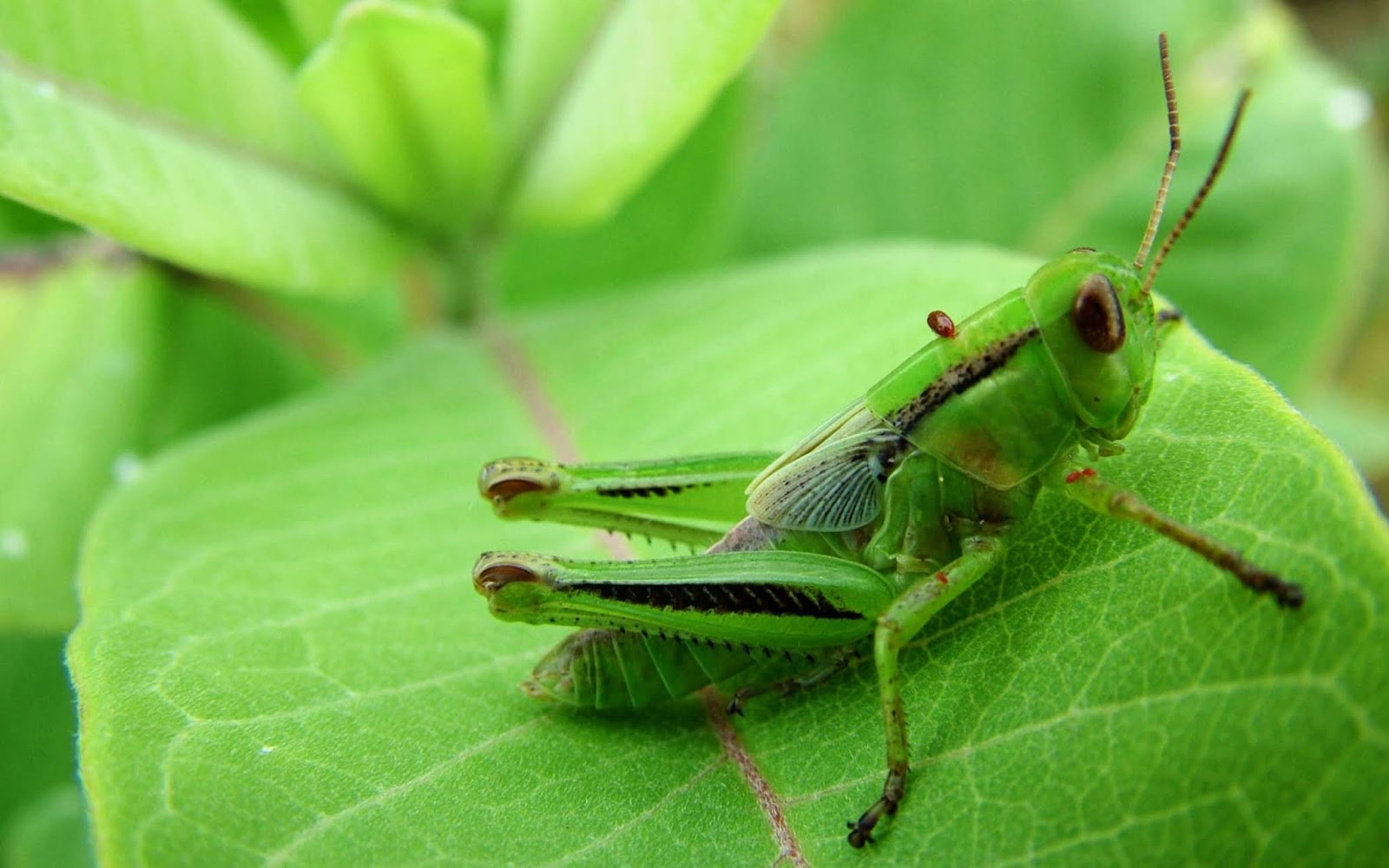
Cricket (image found on Pinterest)

I have chosen two haiku from that subsection and I love to challenge you to create a 'fusion'-haiku with them, so this is a "crossroads" episode. Here are the two haiku by Jane taht I have chosen:

lightning flash
into the sound of rain
a cricket shrills

nights
where you touched me
a cricket chirps

© Jane Reichhold (taken from "A Dictionary Of Haiku")

This episode is NOW OPEN for your submissions and will remain open until November 18th at noon(CET). I will try to publish our new episode later on. For  now ... have fun!


Thursday, November 8, 2018

Carpe Diem #1541 Evening (modern kigo)


Dear Haijin, visitors and travelers,

First this: I have a new job. Next month I will start as an oncology nurse on the hematology unit of an University Medical Center at Amsterdam. It's a new challenge for me and the perspectives are wonderful for the future. So ... you all will understand that I am happy.

Back to our Autumn month "the leaves are falling" ... Today I have chosen two nice haiku by Jane Reichhold taken from her "A Dictionary of Haiku" section Autumn, subsection Celestial. The challenge today is to create a short renga with the given haiku, both themed "evening", with a maximum of eight stanza and at least four stanza.

Autumn Evening

Here are the two haiku by Jane to work with:

evening comes
wrapped in sea fog
tied with webs

evening sea fog
descending into sun-dried grass
sweaty lovers

© Jane Reichhold

Two beauties I dare to say. I still miss Jane, as many of you will do too, but through my choices of themes and haiku I hope to honor her as long as CDHK will be alive and kicking.

This episode is NOW OPEN for your submissions and will remain open until November 15th at noon (CET). I will try to publish our new weekend meditation later on. For now ... have fun!


Wednesday, November 7, 2018

Carpe Diem #1540 chrysanthemums


Dear Haijin, visitors and travelers,

Autumn ... a season full of beauty in the broadest sense of the word. I love the colorful leaves, the bright full moon, but the most I love the Chrysanthemums with all the colors like a rainbow. There are a few haiku on Chrysanthemums I love to share here for your inspiration:

Drinking the morning green tea,
The monk is calm.
The flowers of chrysanthemum.


Bloom quickly.
The ninth day is very soon.
The chrysanthemum.


© Matsuo Basho

how terrifying
her rouged fingers
against the white chrysanthemums

© Chiyo-Ni

Chrysanthemums Rainbow (Image by Jan Tyler/E+/Getty Images)

Before the white chrysanthemum
the scissors hesitate
a moment.

© Yosa Buson

Let's scatter
all the funeral chrysanthemums we have,
in the coffin  


© Soseki

All wonderful haiku by classical masters on Chrysanthemums. I love that image by the way it's really a rainbow of Chrysanthemums. And I think you all will know other beauties, but today I love to challenge you to create your own Chrysanthemums beauty ... have fun!

in the backyard
gazing at the Milky Way -
white chrysanthemums

chrysanthemum tea
a whole new sensation
tickles my senses

© Chèvrefeuille

This episode is NOW OPEN for your submissions and will remain open until November 14th at noon (CET). I will try to publish our new episode later on. Have fun!


Tuesday, November 6, 2018

Carpe Diem #1539 Autumn's Voice (aki no koe) (classical kigo)


Dear Haijin, visitors and travelers,

In an earlier post, the first of November, I told you about Autumn's Voice or the wind through the decaying leaves. It's a wonderful voice and it gives me always a feeling of relaxation. Only the wind through the leaves ... awesome. That's what I love to call "deep silence".

Today a short episode, because of lack of time. Earlier today I had an interview for a new job in a University Hospital. I sollicitated there for the job of Hematology nurse. I had a good interview and this new job is almost in reach. Next Monday I hope to hear from them. I will keep you all posted.

Back to our episode of today. I will give you only the "prompt / theme" ...: Autumn's Voice (or aki no koe), it's a classical kigo for Autumn, section Heavens.

late night walk
the rustling of colored leaves
reveals secrets

© Chèvrefeuille

This episode is NOW OPEN for your submissions and will remain open until November 13th at noon (CET). I will try to publish our new episode later on. For now ... have fun!


Monday, November 5, 2018

Carpe Diem #1538 autumn moon (crossroads)


Dear Haijin, visitors and travelers,

What an awesome month this will become I think. Autumn is my favorite season and the classical haiku poets, like Basho and Shiki, were also "in love" with this season. Today I have a few autumn-haiku for you to work with. As you, maybe, know the Japanese love the moon of autumn. And I can relate to that feeling, because I am a moon lover. To me the moon is an important part of nature. She reflects the light of "father" sun and together they give us thw light we need 24/7.

I will give you a few moon haiku and I am challenging you to create a "fusion" haiku with it in honor of the beauty of the moon.

Here are the haiku to use (with a small background about the haiku):

the moon in the water;
broken and broken again,

still it is there

© Choshu

The astounding persistence, the faithfulness of things, their law-abidingness, is felt in deep contrast to the waywardness of life. Here we have Nature and Destiny; law, the unchanging, and life, the lawless. And yet it is only the reflection of the moon in the water, broken into pieces by some passing wave.

Autumn Moon Viewing (Tsukimi)

rain over the autumn moon:
beneath the window,
chestnuts pattering down

© Usen

There is a well-known verse of In Memoriam which resembles this but with an added subjective element that gives weight, but not necessarily depth:

Calm is the morn without a sound,
Calm as to suit a calmer grief,
And only thro the faded leaf
The chestnut pattering to the ground.

Two beauties to work with I think. By the way the background added by the haiku I have taken from Haiku Volume 3 by R.H. Blyth. I hope the background will be helpful to create your "fusion"-haiku as we do in our special "crossroads" feature.

Here is my "fusion":

after the storm
chestnuts shimmer
in the moonlight


© Chèvrefeuille.

This episode is NOW OPEN for your submissions and will remain open until November 12th at noon (CET). I will try to publish our new episode later on.


Sunday, November 4, 2018

Carpe Diem #1537 Decay


Dear Haijin, visitors and travelers,

Welcome at a new episode of Carpe Diem Haiku Kai. This month all our prompts have to do with autumn. That means that I will challenge you with classical and non-classical kigo (seasonwords) for autumn, haiku about autumn by the classical haiku poets like Basho and Chiyo-Ni and many more possibilities.

So ... the leaves are falling ... I hope you all have had a wonderful weekend and that you all are in good health and fortune. I had a nice easy going weekend while on the nightshift.
The future of our hospital is still very uncertain. As you all know the hospital where I am working suffered from bankruptcy, but we have still a small group of patients to care for. Tomorrow (Monday November 5th) our A & E (emergency care) will be closed during the night and than slowly our hospital is closing its units. We all hope that there will be an investor to restart our hospital. If that's going to happen we don't know yet. Our curator hopes to close a deal with an investor and she hopes to realise that next Wednesday. So this week will be very tensive for our hospital, our patients and all of my colleagues and of course myself.

Urban Decay

Okay back to our theme / prompt for today. Today I have chosen to challenge you with a modern kigo (seasonword) taken from Jane Reichhold's "A Dictionary Of Haiku". Autumn ... my season, because I love autumn, but autumn is a season full of decay ... leaves are falling and nature goes into hibernation. So today's theme is "decay". Here are a few haiku by Jane Reichhold taken from her "dictionary", section: autumn, subsection: moods:

waiting room
a patch of sunlight
wears out the chairs

recycling old glass
the rocky beach
jewel-covered coves

a howling wind
at the deep ache
a broken bone

© Jane Reichhold

In the above image you can see another kind of decay. An old house taken over by nature, walls are tumbling down, moss grows and wallpaper leaves loose ...

Decaying roses (photo © Eleanor Lees)

Here are a few haiku from my archive on "decay":

decomposed flowers
silent witness of a relative
red tear-stained eyes

© Chèvrefeuille (2012)

the scent of autumn
that sweet smell of decaying leaves -
after the rain - stronger

© Chèvrefeuille (2014)

raking the garden
the sweet scent of rotting leaves
arouses my senses

© Chèvrefeuille (2016)

And here a new one, freshly created:

raging storm
colors fading away
leaves dance


© Chèvrefeuille

A strong feeling of decay I think, how immodest, I can see how this raging storm pulls at the leaves and finally the leaves let go and dance away further into decay.

This episode is open for your submissions tonight at 7:00 PM (CET) and will remain open until November 11th at noon (CET). I will try to publish our new episode later on. For now ... have fun!


Thursday, November 1, 2018

Carpe Diem #1536 Autumn ... the season


Dear Haijin, visitors and travelers,

Welcome at the first episode of our new month here at Carpe Diem Haiku Kai. This month, November 2018, all our prompts will have something to do with autumn and that means classical and non-classical kigo (seasonwords) and haiku, to inspire you, by the five greatest haiku poets, Basho, Chiyo-Ni, Issa, Buson and Shiki. This will be another wonderful month here at CDHK.

The fall of the year is not merely the fall of the leaves but the fall of the vital powers in all natural things including man. We feel it in ourselves and are thus and thus only able to see it in things outside.
The Milky Way is most clearly seen and deeply felt in this month, but it is the moon that is the soul of autumn. The sun we take for granted, but the moon, in the remote nearness, its silent-smiling light, deepens the mystery of our own life. The wind of autumn also has a different voice from that of any other season; we can hear perhaps the rustle of death in it.
It seems difficult not to write well on scarecrows; these are a peculiarly Japanese subject. The crying of insects in autumn was always a cause of poetical feeling, in Chinese and Japanese poetry.
The beauty of leaves and flowers, and the powerful, esoteric scent of the Chrysanthemums make them the chief flower of the season. (Source: Haiku Volume 3, R.H. Blyth)

Scarecrow in the mist
Well ... that was the introduction to our new month at CDHK ... so let's go on and make this month one of the most beautiful of 2018. I love to start with a haiku by Shiki, who was not only a great haiku poet, but also an awesome haiga painter. I love to challenge you to create your own version of this beauty by Shiki:

entering autumn,
the painting of flowering plants
a daily task


© Shiki

And here is my own version of this beauty by Shiki:

last day of summer
the leaves are already coloring
in the moonlight


© Chèvrefeuille

And now it is up to you.

This episode is NOW OPEN for your submissions and will remain open until November 8th at noon (CET). I will try to publish our new weekend-meditation later on. For now ... have fun!

PS. I have had my first interview for a new job and I am happy to tell you that I had a very good feeling about this interview. I have already my contract, but haven't signed it yet, because I have another interview next Tuesday in an university hospital. So there is light after the darkness of being unemployed.