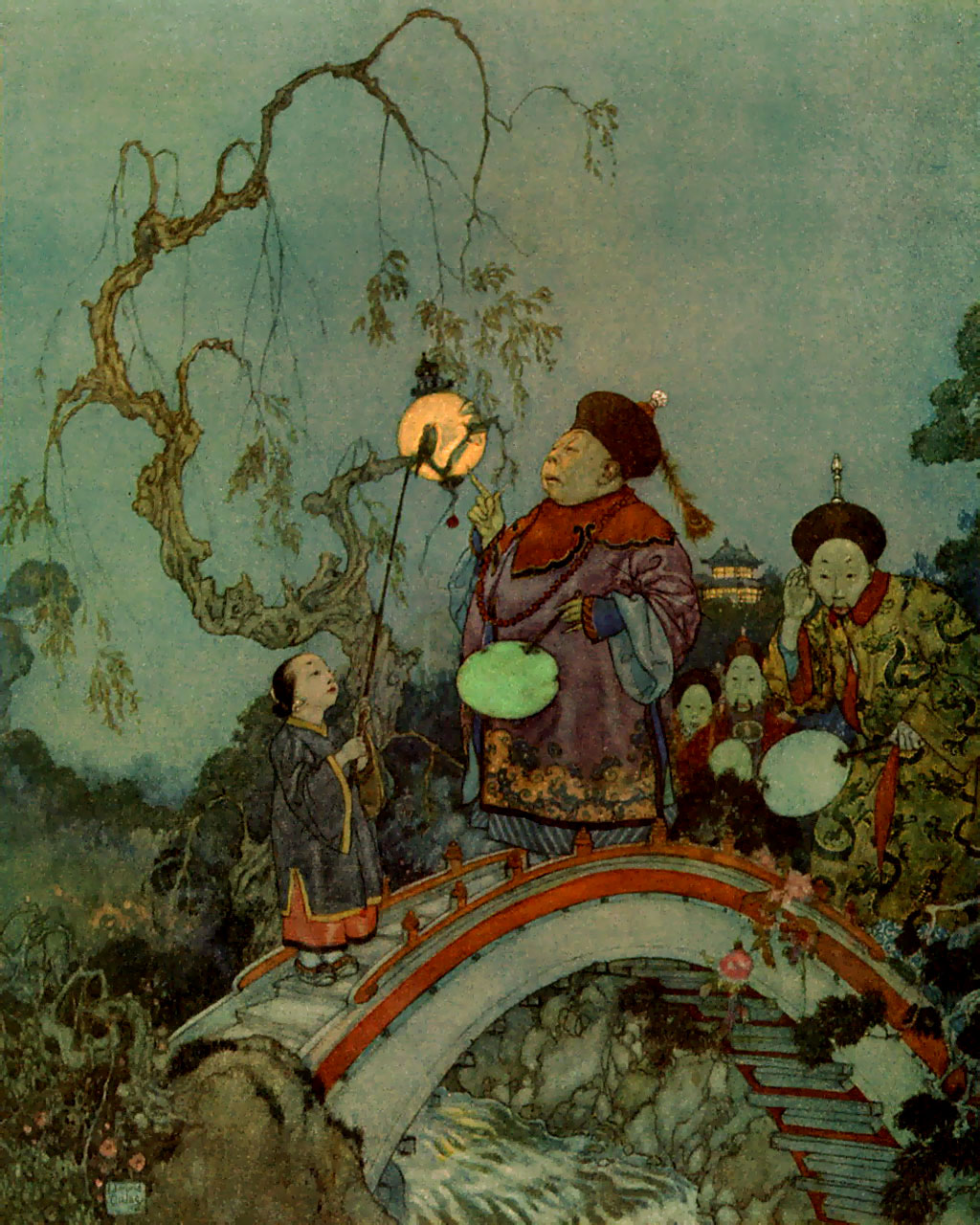
Showing posts with label Nightingale. Show all posts

Thursday, July 2, 2015

Carpe Diem #767 natsuake (summer morning)


Dear Haijin, visitors and travelers,

July started with a new Tokubetsudesu episode and the first CD-Special of this month with haiku composed by Adjei, an African haiku poet from Ghana, but today we have our first classical Japanese kigo, seasonword, to inspire us.

Today our prompt is natsuake (summer morning). This can refer to every summer morning, but mostly this kigo was used for the first summer morning after the summer solstice. (To place it in this time, that would have been June 22th). I have sought the Internet and found several haiku which can be used here as an example. Here are a few example-haiku about natsuake:

ge no ake ya ushi ni nete yuku magusa kari

summer dawn--
riding an ox, asleep
the hay cutter

dan-dan ni natsu no yoake ya hito no kao

little by little
the summer night turns dawn...
people's faces


(C) Kobayashi Issa

Both give an image to this feeling of awakening on the first summer morning (or other summer morning).
Nightingale
And this is my haiku inspired on natsuake:

warm summer night
without having slept - the sun rises
a nightingale's song

© Chèvrefeuille

This has happened this morning. We had every warm night (around 20 degrees Celsius) so i couldn't sleep. After trying it for a few hours i still couldn't sleep. I decided to get up. As i was sitting on the veranda this morning to cool down, the sun already started to rise and a nightingale started to sing. It gave me an aubade and his song sounds crystal clear and very soothing ... really a great summer morning ...

This episode is open for your submissions tonight at 7.00 PM (CET) and will remain open until July 5th at noon (CET). I will publish our new episode, a new CD Time Machine episode, in which we will go back to June 2013 with kawasemi (Kingfisher), later on. For now ... have fun, be inspired and share your haiku with us all here at our Haiku Kai.


Friday, June 12, 2015

On The Trail With Basho Encore 4 such stillness


Dear Haijin, visitors and travelers,

I am a day late with publishing this new episode of our special feature "On The Trail With Basho Encore" in which I share haiku by Basho just for fun ... he has written such wonderful haiku ... I just have to share them ...

shizu kasa ya   iwa ni shimi iru   semi no koe
such stillness
piercing the rock
a cicada's voice


© Basho


In my first anthology of my haiku, which was published in 1998 (on own account) I defined haiku as the poetry of silence and emptiness. I think that a lot of our fellow haijin shall say the same of haiku.Basho wrote haiku about stillness, emptiness and loneliness, as we already have seen last month. The above verse is, in my opinion, one of his best haiku with stillness as theme. The stillness of the mountains becomes very strong by the fragile voice of the cicada.
This verse is not based on reality, because a cicada's voice can't pierce a rock, but it works with what is felt (also a sense) and not with what is thought. By the way Basho wrote this haiku at the so called 'mountain temple' in Yamagata. Yamagata was one of the places which Basho eagerly would visit on his 'Narrow Road'.

Ah! that sound
the song of a Nightingale
deepens the silence
© Chèvrefeuille

Isn't it a nice one? I love the Nightingale's song and love to write haiku about it. I have written several haiku with the Nightingale in it. For example the following one:
an old temple
shelter for the night -
a Nightingale sings


© Chèvrefeuille

The above haiku is part of a haibun which I wrote titled "My Narrow Road".

I hope you did like this episode of "Encore" and that it will inspire you all to write an all new haiku.

This episode of "Encore" is NOW OPEN for your submissions and will remain open until next Friday June 19th at noon (CET).

Thursday, November 27, 2014

Carpe Diem Special #119, Tomas Tranströmer's 5th "a wild boar plays the organ"


Dear Haijin, visitors and travelers,

What a joy it was to discover the haiku by Tranströmer this month. I am a bit sad today, because today we have our last Carpe Diem Special with a haiku written by Tranströmer our featured haiku-poet this month. By the way next month we will have another wonderful haiku-poet to discover namely Richard Wright (1908-1960), but that's for next month.

Today I love to share the following haiku by Tranströmer:

then the leaves whispered:
a wild boar plays the organ.
and the bells all rang


© Tomas Tranströmer


This haiku feels like a fairytale ... it's a fairytale in its own ... so maybe it's an idea to try to write a fairytale-like haiku in response on this one by Tranströmer ... well it's up to you my dear Haijin, visitors and travelers.


And to give that idea a try myself I love to reproduce a haiku which I once wrote in response on the fairytale "The Nightingale":

what a sadness
artificial Nightingale's broken -
faraway birdsong


© Chèvrefeuille


This episode is open for your submissions tonight at 7.00 PM (CET) and will remain open until November 30th at noon (CET). I will try to publish our next episode, paradise, later on. For now ... have fun!

Friday, August 23, 2013

Carpe Diem's Kamishibai #5, fairytale


Dear Haijin, visitors and travelers,

Another new episode of our haibun feature is at hand now. This two weeks I have chosen for the next theme for your haibun fairytale. So please write your own fairytale-haibun and share it with us all here on Carpe Diem.
To inspire you all I have copied an earlier post of my at the beginning of Carpe Diem. The prompt then was Nightingale and I shared the fairytale of the Nightingale ... I love to share that fairytale again here and I have 're-done' it to a haibun form.


The Nightingale

Once upon a time in China there was a great emperor. His palace was the most beautiful in the world, and was surrounded by a garden with the most beautiful flowers. They had pretty silver bells tied to them, which tinkled so that everyone who passed could not help noticing them. Nearby, there was a forest that was home to a nightingale that sang so beautifully even the fishermen, who had so much to do, would stop to listen.
Travelers from every country in the world came to the city of the emperor, which they admired very much. When the visitors heard the nightingale, they all declared it to be the most wondrous of all.

between flowering trees
a Nightingale is singing it's song
for the joy of the world

The emperor had never heard of this nightingale. When he heard travelers speak of it, he said, “What is this? I know nothing of any nightingale. Is there such a bird in my empire?”
The emperor demanded that the nightingale be brought to him.
But where was the nightingale to be found? All of his lords-in-waiting looked high and low for the famous bird but were unable to find it.
At last, a poor little girl in the kitchen said, “Oh, yes, I know the nightingale quite well; indeed, she can sing. She lives down by the seashore.”
“Please lead us to the nightingale,” said a lord-in-waiting. So she did.
“My excellent little nightingale,” said the lord-in-waiting, “I have the great pleasure of inviting you to a court festival this evening, where the emperor can hear your charming song.”
“My song sounds best in the green wood,” said the bird. But still she came willingly when she heard the emperor's wish.
At the festival, the nightingale sang so sweetly that tears came into the emperor's eyes and rolled down his cheeks. Her song touched everyone's heart.

Nightingale's song
hits me deep down inside of me -
tears rolling down

The nightingale's visit was so successful that she was now to remain at court, to have her own cage, with liberty to go out twice a day and once during the night. Twelve servants were appointed to attend her on these occasions. Each servant held her by a silk cord fastened to her leg. There was certainly not much pleasure for the nightingale in this kind of flying.
One day the emperor received a large packet on which was written, “The Nightingale.” Inside was an artificial nightingale made to look like the living bird and covered with diamonds, rubies, and sapphires. As soon as the artificial bird was wound up, it could sing like the real one and could move its tail, which sparkled with silver and gold, up and down. It was a gift from the emperor of Japan.
 This new bird was as successful as the real bird, and it was even prettier to look at. It sang without ever getting tired. The people would gladly have heard it again, but the emperor said the living nightingale should sing something. But where was she? No one noticed when she flew out of the open window, back to the forest.

artificial bird
wound up to sing it's song -
the sound of water

The emperor missed the real nightingale, but the music-master praised the artificial bird. He said it was even better than a real nightingale, not only because of its beauty but also because of its musical power.
“With a real nightingale we can never tell what is going to be sung, but with this bird everything is settled. It can be opened and explained, so that people can understand how the waltzes are formed, and why one note follows upon another,” said the music-master.
So, the real nightingale was banished from the empire, and the artificial bird placed on a silk cushion close to the emperor's bed. A year passed, and the emperor, the court, and all the people knew every little turn in the artificial bird's song. For that same reason, it pleased them better. They could sing with the bird, which they often did. One evening, when the artificial bird was singing and the emperor lay in bed, something inside the bird popped. Then a spring cracked and the music stopped.
The emperor immediately sprang out of bed and called for his doctor. But what could he do? Then they sent for a watchmaker. After a great deal of talking and examination, the bird was sort of fixed. But the watchmaker said that it must be used very carefully because the bird's mechanism was getting old and it would be impossible to put in a new one without injuring the music. The bird could only be played once a year.

what a sadness
artificial Nightingale's broken -
faraway birdsong


Credits: The Nightingale

Five years passed, and a real sadness came upon the land. The emperor was ill and not expected to live much longer. Cold and pale, he stayed in his royal bed. One day, the emperor awoke with a strange weight on his chest. He opened his eyes and saw Death sitting there. He had put on the emperor's golden crown, and held in one hand his sword of state, and in the other his beautiful banner. All around the bed and peeping through the long velvet curtains, were a number of strange heads — some very ugly, and others lovely and gentle-looking. These were the emperor's good and bad deeds that now stared him in the face.
Death continued to stare at the emperor with his cold, hollow eyes, and the room was fearfully still. Suddenly there came through the open window the sound of sweet music. Outside, on the branch of a tree, sat the living nightingale. She had heard of the emperor's illness and had come to sing to him of hope and trust. And as she sang, the shadows grew paler and the blood in the emperor's veins flowed more rapidly, giving life to his weak limbs. Even Death himself listened, and said, “Go on, little nightingale, go on.”
“Then will you give me the beautiful golden sword and that rich banner? And will you give me the emperor's crown?” said the bird.

Nightingale sings again
on the windowsill of my room
bearer of joy

Death gave up each of these treasures for a song, and the nightingale continued her singing. Soon, Death floated out through the window in the form of a cold, white mist.
“Thank you heavenly little bird. I know you well. I banished you from my kingdom once. Yet you have charmed away the evil faces from my bed, and banished Death from my heart. How can I reward you?”
“You have already rewarded me,” said the nightingale. “I shall never forget that I drew tears from your eyes the first time I sang to you. These are the jewels that rejoice a singer's heart. But now sleep, and grow strong and well again. I will sing to you again.”
And as she sung, the emperor fell into a sweet sleep. When he awoke, he was strengthened and restored.
“You must always remain with me,” said the emperor. “You shall sing only when it pleases you; and I will break the artificial bird into a thousand pieces.”
“No, don't do that,” replied the nightingale. “The bird did very well as long as it could. Keep it here. I cannot live in the palace, but let me come when I like. I will sit on a bough outside your window, in the evening, and sing to you.” Then the Nightingale flew away.
The servants now came in to look after the emperor. To their tremendous joy and astonishment, there he stood, healthy, saying a happy good morning.

finally healthy
artificial nature's not good -
the song of birds

Well ... that was my fairytale-haibun The Nightingale and I hope it will inspire you to write your own 'fairytale'-haibun.
This episode of Carpe Diem's Kamishibai will stay on 'till September 6th 11.59 AM (CET). Have fun, be inspired and share your haibun with us all here on Carpe Diem.

Namaste


Tuesday, January 29, 2013

Carpe Diem #108, Birdsong


Dear haijin, visitors and travelers,

Here in The Netherlands our very cold and snowy period of Winter is over. After a day of rain all the snow has gone. Temperatures are rising and it feels almost like Spring. Birds are singing their songs and that gives me a lot of joy and the feeling of a warm Spring day.

Today we share haiku on th prompt 'birdsong'. And I have found a nice 'You Tube video' with wonderful 'sounds of Spring'. I love to share that video here for your inspiration.


What a lovely video don't you think? Those sweet songs of birds ... so relaxing ... so close to nature ... resonating with your soul. Awesome.

I found a wonderful haiku on 'bird song' written by Kobayashi Issa, one of the four greatest haiku masters:

sasa naki mo temochi-busata no kakine kana

bird song in bamboo grass--
too shy
for the fence

Sasa naki ("birdsong in bamboo grass") has a special meaning in Japanese: "In winter, the birdsong, especially that of a warbler, is not fully developed due to the low sex-drive. The fragmented birdsong in winter is called sasa-naki and has nothing to do with bamboo grass. Knowing this, Issa plays with the literal meaning of the word, sasa-naki, to juxtapose it to singing on the fence.

Or this one by Buson:

hatautsuya torisae nakanu yamakageni

Plowing the fields--
Even birds have no song

In the shadow of a mountain 


Birds singing what a joy to listen ... Let's go do some haiku composing on 'bird song'.

at dawn
on the thin line between night and day
a Nightingale's song

early Spring morning
birds rejoicing Mother Nature -
Ah! that sweet sound


And one with a bit of humor in it:

'shut up!' I scream
after a night without sleep -
birds singing their songs


Well ... I love to write haiku on this prompt 'bird song' and I hope you do too. I am looking forward to your haiku for today. have fun, be creative and inspired. Share your wonderfully composed haiku here on Carpe Diem.

This prompt will stay on 'till January 31th 11.59 AM (CET) and I will post our last episode of Carpe Diem for this month later on today around 10.00 PM (CET) and that will be instead of 'cherry blossom' (as mentioned in our prompt list for January) 'early blossom', because cherry blossoms are more for March in which I will share all classical Japanese kigo (seasonswords) for Spring.


Saturday, October 20, 2012

Carpe Diem, #21 Nightingale

Dear Haijin, visitors and travelers,
Today another wonderful prompt ... Nightingale ... The Nightingale is a wonderful bird, it's not very colorful, but notwithstanding the lack of color ... it has the most wonderful voice. In classic Japan the Nightingale was a beloved bird to hold in a cage at home or court. Maybe you know the fairy tale of the Nightingale at the court of the Chinese Emperor. A beautiful story ...
Nightingale singing
I love to share that fairytale with you here.

The Nightingale

Once upon a time in China there was a great emperor. His palace was the most beautiful in the world, and was surrounded by a garden with the most beautiful flowers. They had pretty silver bells tied to them, which tinkled so that everyone who passed could not help noticing them. Nearby, there was a forest that was home to a nightingale that sang so beautifully even the fishermen, who had so much to do, would stop to listen.
Travelers from every country in the world came to the city of the emperor, which they admired very much. When the visitors heard the nightingale, they all declared it to be the most wondrous of all.
The emperor had never heard of this nightingale. When he heard travelers speak of it, he said, “What is this? I know nothing of any nightingale. Is there such a bird in my empire?”
The emperor demanded that the nightingale be brought to him.
But where was the nightingale to be found? All of his lords-in-waiting looked high and low for the famous bird but were unable to find it.
At last, a poor little girl in the kitchen said, “Oh, yes, I know the nightingale quite well; indeed, she can sing. She lives down by the seashore.”
“Please lead us to the nightingale,” said a lord-in-waiting. So she did.
“My excellent little nightingale,” said the lord-in-waiting, “I have the great pleasure of inviting you to a court festival this evening, where the emperor can hear your charming song.”
“My song sounds best in the green wood,” said the bird. But still she came willingly when she heard the emperor's wish.
At the festival, the nightingale sang so sweetly that tears came into the emperor's eyes and rolled down his cheeks. Her song touched everyone's heart.
The nightingale's visit was so successful that she was now to remain at court, to have her own cage, with liberty to go out twice a day and once during the night. Twelve servants were appointed to attend her on these occasions. Each servant held her by a silk cord fastened to her leg. There was certainly not much pleasure for the nightingale in this kind of flying.
One day the emperor received a large packet on which was written, “The Nightingale.” Inside was an artificial nightingale made to look like the living bird and covered with diamonds, rubies, and sapphires. As soon as the artificial bird was wound up, it could sing like the real one and could move its tail, which sparkled with silver and gold, up and down. It was a gift from the emperor of Japan.
 This new bird was as successful as the real bird, and it was even prettier to look at. It sang without ever getting tired. The people would gladly have heard it again, but the emperor said the living nightingale should sing something. But where was she? No one noticed when she flew out of the open window, back to the forest.


The emperor missed the real nightingale, but the music-master praised the artificial bird. He said it was even better than a real nightingale, not only because of its beauty but also because of its musical power.
“With a real nightingale we can never tell what is going to be sung, but with this bird everything is settled. It can be opened and explained, so that people can understand how the waltzes are formed, and why one note follows upon another,” said the music-master.
So, the real nightingale was banished from the empire, and the artificial bird placed on a silk cushion close to the emperor's bed. A year passed, and the emperor, the court, and all the people knew every little turn in the artificial bird's song. For that same reason, it pleased them better. They could sing with the bird, which they often did.
One evening, when the artificial bird was singing and the emperor lay in bed, something inside the bird popped. Then a spring cracked and the music stopped.
The emperor immediately sprang out of bed and called for his doctor. But what could he do? Then they sent for a watchmaker. After a great deal of talking and examination, the bird was sort of fixed. But the watchmaker said that it must be used very carefully because the bird's mechanism was getting old and it would be impossible to put in a new one without injuring the music. The bird could only be played once a year.
Five years passed, and a real sadness came upon the land. The emperor was ill and not expected to live much longer. Cold and pale, he stayed in his royal bed. One day, the emperor awoke with a strange weight on his chest. He opened his eyes and saw Death sitting there. He had put on the emperor's golden crown, and held in one hand his sword of state, and in the other his beautiful banner. All around the bed and peeping through the long velvet curtains, were a number of strange heads — some very ugly, and others lovely and gentle-looking. These were the emperor's good and bad deeds that now stared him in the face.
Death continued to stare at the emperor with his cold, hollow eyes, and the room was fearfully still. Suddenly there came through the open window the sound of sweet music. Outside, on the branch of a tree, sat the living nightingale. She had heard of the emperor's illness and had come to sing to him of hope and trust. And as she sang, the shadows grew paler and the blood in the emperor's veins flowed more rapidly, giving life to his weak limbs. Even Death himself listened, and said, “Go on, little nightingale, go on.”
“Then will you give me the beautiful golden sword and that rich banner? And will you give me the emperor's crown?” said the bird.
Death gave up each of these treasures for a song, and the nightingale continued her singing. Soon, Death floated out through the window in the form of a cold, white mist.
“Thanks, you heavenly little bird. I know you well. I banished you from my kingdom once. Yet you have charmed away the evil faces from my bed, and banished Death from my heart. How can I reward you?”
“You have already rewarded me,” said the nightingale. “I shall never forget that I drew tears from your eyes the first time I sang to you. These are the jewels that rejoice a singer's heart. But now sleep, and grow strong and well again. I will sing to you again.”
And as she sung, the emperor fell into a sweet sleep. When he awoke, he was strengthened and restored.
“You must always remain with me,” said the emperor. “You shall sing only when it pleases you; and I will break the artificial bird into a thousand pieces.”
“No, don't do that,” replied the nightingale. “The bird did very well as long as it could. Keep it here. I cannot live in the palace, but let me come when I like. I will sit on a bough outside your window, in the evening, and sing to you.” Then the nightingale flew away.
The servants now came in to look after the emperor. To their tremendous joy and astonishment, there he stood, healthy, saying a happy good morning. (Source: Nightingale, a fairytale )


A wonderful fairytale don't you think? Maybe it helps you as a source for inspiration. Enjoy the fun, be inspired and share your haiku with Carpe Diem, Seize the day a daily haiku meme.
This prompt will stay on 'till October 22th 11.59 AM (CET). I will publish our new prompt, Sunflower, for October 22th today around 10.00 PM (CET).