Dear Haijin, visitors and travelers,
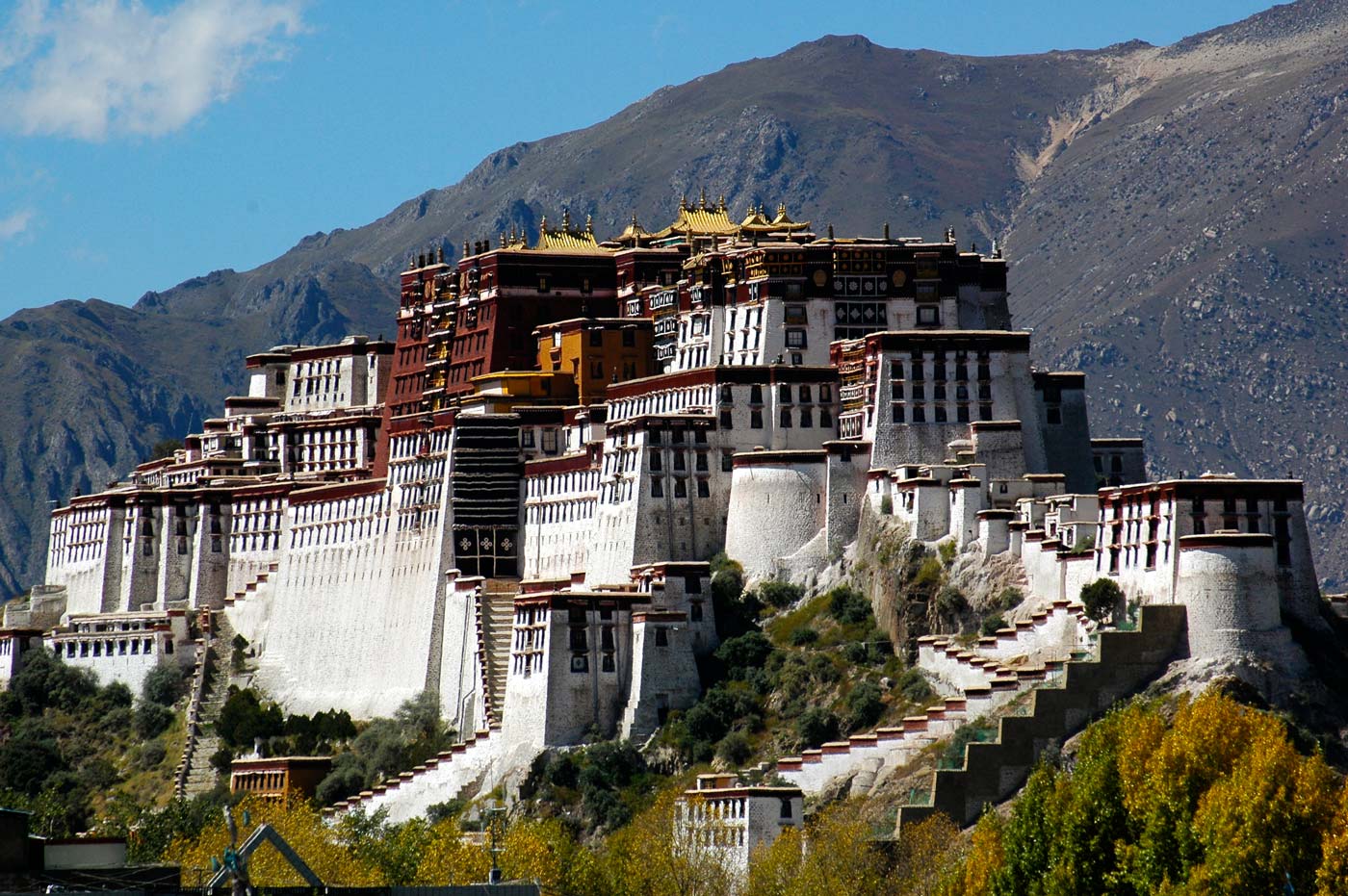
Welcome at our new stage in our journey around the world on a quest for folkmusic. Yesterday and the day before yesterday we visited India and today we are going further on our journey to Tibet. Tibet was once a free country, but was annexated by China back in the fifties of the 20th century. I am still praying that Tibet will become a free country again and that the Dalai Lama can return to His home.
Tibet is a wonderful country in the Himalayan Mountains and in one of my new novels part of the story takes place in the Himalayan Mountains, because of legendary Shamballa, a heavenly place on earth, but that's not the issue today.
 |
| His Holiness the 14th Dalai Lama |
The music of Tibet reflects the cultural heritage of the trans-Himalayan region, centered in Tibet but also known wherever ethnic Tibetan groups are found in Nepal, Bhutan, India and further abroad. First and foremost Tibetan music is religious music, reflecting the profound influence of Tibetan Buddhism on the culture.
The Lama Mani tradition – the telling of Buddhist parables through song — dates back to the 12th century. The songs were performed by wandering storytellers, who travelled from village to village, drawing on their own often humble origins to relate to people from all backgrounds. Vividly illustrated Buddhist thangka paintings depicted the narrative and helped the audience understand what was essentially a teaching.
 |
| Tibetan monks playing the Tibetan long horn |
Tibetan "street songs" were a traditional form of expression particularly popular as a means of political and other commentary in a country that was previously without newspapers or other means of mass communication. They provided political and social commentary and satire and are a good example of a bardic tradition, akin to that in medieval Europe or, more recently, the role calypsos played in the West Indies. As song lyrics in Tibet usually contained stanzas of 4 lines of 6 syllables each, the lyrics could be easily adapted to almost any melody.
Secular Tibetan music has been promoted by organizations like the Dalai Lama's Tibetan Institute of Performing Arts. This organization specialized in the lhamo, an operatic style, before branching out into other styles, including dance music like toeshey and nangma. Nangma is especially popular in the karaoke bars of the urban center of Tibet, Lhasa. Another form of popular music is the classical gar style, which is performed at rituals and ceremonies. Lu are a type of songs that feature glottal vibrations and high pitches. There are also epic bards who sing of Tibet's national hero Gesar.
I got goose-bumps as I listened to this wonderful OM mantra chant by Tibetan monks. It gave me a feeling of happiness and relaxation. I hope you will have that same experience.
deep throat sounds
resonate through the Himalayan Mountains
tears of monks
© Chèvrefeuille
Maybe the above haiku/senryu has somewhat political "tones", but I am still praying for a free Tibet. I hope that there will become a day that China decides to give Tibet back to their rightful owners. If that's happening than finally the Dalai Lama can return home.
This episode is open for your submissions tonight at 7:00 PM (CEST) and will remain open until August 21st at noon (CEST). For now ... be inspired and share your inspired Japanese poetry with us all.